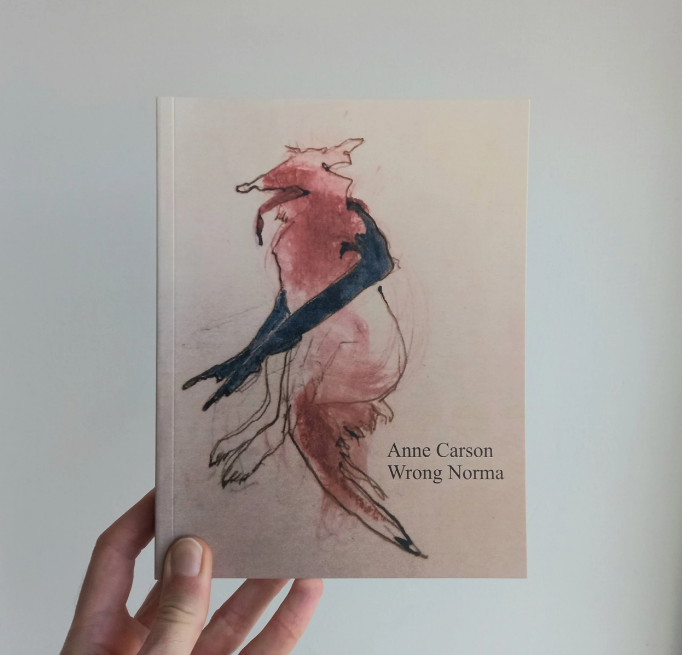
Anne Carson is a Canadian poet, essayist, classicist and translator who has just been named the 2026 Nobel Laureate in Literature. In Wrong Norma, variously described as prose poems or prose pieces, she confronts writing and ideas. She allows thoughts to take the lead, to follow the other, in sometimes bewildering, sometimes illogical ways to paces where juxtapositions and contradictions segue into each other with a wonderful ‘wrongness’. And what is the idea of wrong? Her description of this project (as most of her published works are: she makes a handmade book, which is then produced as a facsimile by her publisher) is elusive and offers a brief explanation: “...a collection of wrings about different things..” And this collection is wide-ranging in subject matter, from swimming to snow, Joseph Conrad and Emily Dickinson, riffs on Socrates and violence, observations on poverty and displacement, a piece of writing by the Sky, in fact a week-long journal, my favourite being a conversation on Wednesday with Godot, and an image essay reimagining the meeting of the German philosopher Heidigger and the Jewish writing Paul Celan in 1966. Re-reading any one of these prose pieces is submerging. (The idea of suubmerging also links strongly to the first piece on swimming, so desire to be in water, out of air). They are endlessly curious, striving forward, to what one is never completely sure, and this makes them compelling. You return to discover something new and surprising each time, and it makes you ask questions rather than look for answers. In this work, Anne Carson seems to be asking questions and there are these wonderful scrap paper interludes between each piece. Some with merely a faintly typed comment or questions. Others that are dialogue, questions and answers, the questions often repeated, the answers varied — are they questions put to a host of visitors or characters or the author talking to herself? These repetitive questions include: “ Do you like the films of Eric Rohmer?”, followed by “Do you like jam?”, as if asking these simultaneously is a given. The other question that pops up repeatedly is “ What is yor philosophy of time?” With answers variously being: “I’m quite sure we’ll surrender” to “ how it’s sweet and how it’s moving” and “ a shallow closet with narrow bench and a rope to pull you up”. Are the recipients answering this question or even hearing it? Or are we always in conversation at cross purposes? Many of the text peices are reflecting on the process of writing. What is language, and how does it work? When translation is evoked, what happens to the text, whether this is translating yourself or others? Perspective and observation can be wrong and this wrongness leads to discoveries. Anne Carson calls these pieces wrong and enjoys herself. These is intelligent and playful writing. There is much here to amuse, as well as provoke thinking. But who or what is Norma? There is a reference in one piece to Norma Desmond, a character played in a film by Gloria Swanson, but I wondered if here the translator in Carson comes to the fore. Norma in latin can mean rule or pattern; in Greek, examiner. In an interview with Paris Review, Carson describes writing like seeing and following a fox. “I think about it as something that arrives in the mind, and then gets dealt with if it’s interesting. It’s more like a following of something, like a fox runs across your backyard and you decide to follow it and see if you can get to where the fox lives. It’s just following a track.”
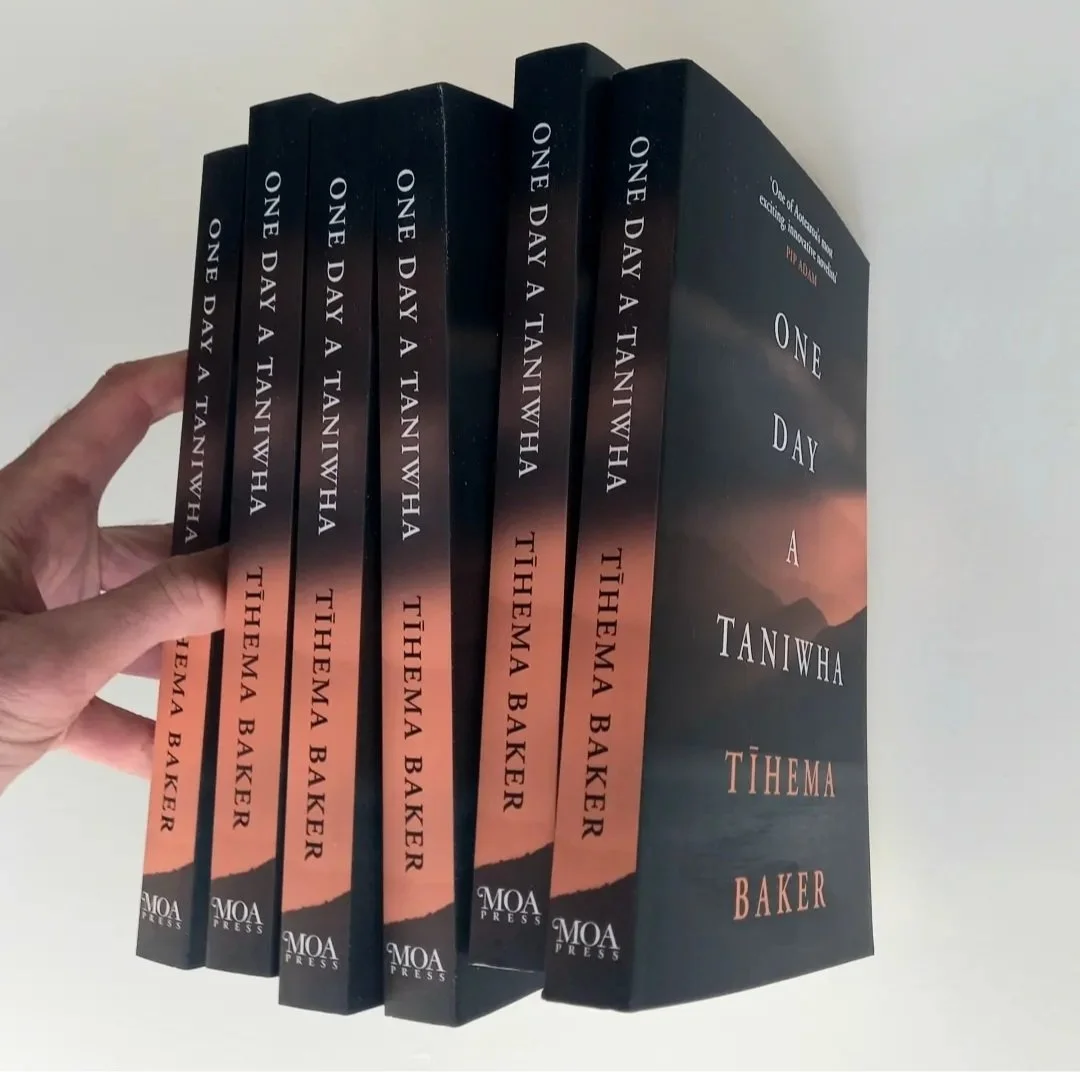
Is it possible to be terrified as you read a novel? You know you can close the book, that it is merely words. Tīhema Baker lets you in easy. The door is opened wide to the domestic scene of father, mother and child. The baby, Wī, not sleeping, the parents Āniwa and Hōhepa sleep deprived. Nothing unusual here, aside from Hepa’s vivid dreaming. Everyone is feeling trapped, the grind of life with a small child, a first child and all the changes this entails. None more so than Hōhepa: bereft at moving from the public service of Wellington central to up the coast at the city council, a little at sea with fatherhood, and isolated from his past social circles, as well as his tūrangawaewae. Add to that the pressure of never enough money, and Hepa’s desire to be a good father and partner – to be a good role model to his son, to both protect and provide, and be sensitive to the needs of his family, while juggling work, protesters outside the office, racism at work and in the news, and a sense of panic at all the evils that could befall his son. If you have read Turncoat, you’ll recognise a few familiar themes – concerns over the degradation of te Tiriti, institutional racism, Pākehā ignorance — and Baker’s ability to slice humour into his books without degrading the serious and confronting aspects of his novels. Unlike Turncoat, and Baker’s young adult novels, there is no sci-fi here. This is a contemporary setting, well bogged down in the quotidian life of a middle class Māori father. But this is Tīhema Baker writing, so expect the unexpected. There’s another entity, one that comes in dreams, who like One Day a Taniwha seems relatively benign at first. The pāua-shelled eyes appear to look with curiousity from the face of the lizard; it is silent, appearing in Hepa’s dreams at first as a bystander, a witness. Yet Hepa is right to be wary of this visitor. Talking to Uncle Bush, he finds out you can travel in your dreams, some believe to actual places and people. The dreams become more vivid, the taniwha less benign, the pāua shell eyes teasing and bullying, the creature shapeshifting, its voice inside Hepa’s head goading him, to the point where Hepa’s is looking for a way to have dreamless sleep. As Hōhepa’s lack of sleep and the pressure he puts himself under pushes him to the edge, the darkest emotions and actions take place in his dreams. There is a violence there that is difficult to read without being shaken; it is a violence of frustration, the violence of colonisation and its ongoing consequences, and a battle of ideas about masculinity. The edges are fraying, unravelling at pace, and when dreams and reality merge, the consequeces are frightening. In One Day a Taniwha, Tīhema Baker examines fatherhood, masculinity, and male Māori mental health. Deceptively playful at first, this crescendo of a novel, is a powerful piece of writing.
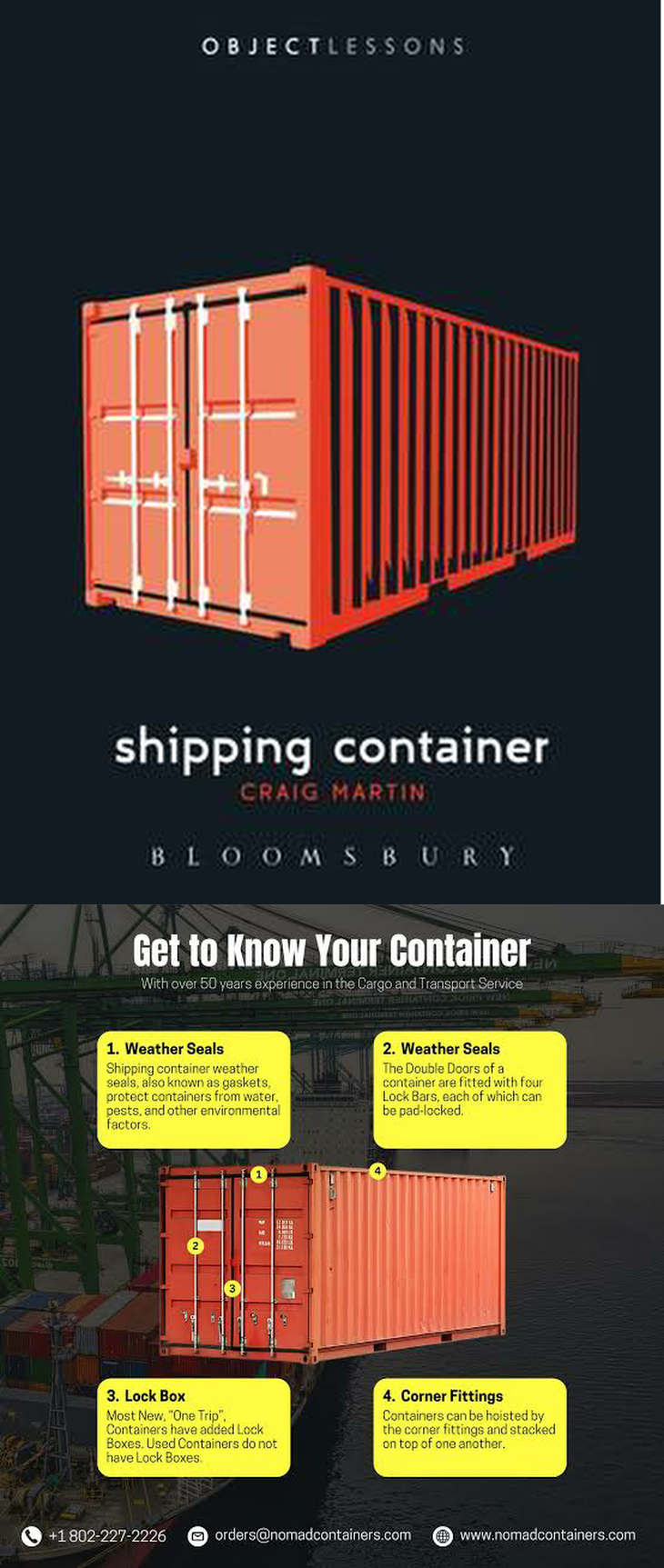
As it is our 500th newsletter, we have been casting our eye back over the last ten years of reviews. I was intending to review Tīhema Baker’s excellent new novel, One Day A Taniwha, but I’m still a few pages from the end (you can read my review of Turncoat in the meantime, though). My excuse for the unfinished book: emptying my mother’s house. I’ve been sorting, packing and discarding, and cleaning. While looking back at 10 years of reviews, I came across one of my favourites from the ‘Object Lessons’ series – Shipping Container. I was intrigued by this theme for a number of reasons. Firstly, I live in a city with a port; secondly, I had delivered a Pecha Kucha back in 2008 called ‘Cargo’ about the act of making jewellery and shipping it to Amsterdam for an exhibition; thirdly, if you sell goods, you are aware of the movement of these goods; fourthly, I love history and what it tells you about how we change and adapt; fifthly, containers are a designed object that carries all objects; and sixthly, containers can’t help but be considered in a socio-political context. There are probably quite a few other reasons to be fascinated by the shipping container (e.g. the opening and closing mechanisms — and then I start wondering if I could make these on a jewellery scale…) but back to why I am intrigued all over again. This week is the skip week ( after the sorting, and taking-to-op-shops-and-recycling-centre). Many things in the basement have to go. All those dusty workshop materials that might of been handy and are no longer so, the kitset cupboards that were never quite right and abandoned, the worn-out-but-not-thrown-away-because-there-was-still-some-use-in-them appliances, the tools with blunt ends or sharpened so often they no longer are the objects they started as, the off-cuts, the small pieces of pipe, generally had-it things, well used but now not useful. And as I loaded the skip, and looked back at our reviews, I suddenly saw the shipping container and the skip as sister objects. One bringing in goods, the other sending them away. Our consumption, even of objects well-used over time, a marker of something both personal and universal. And then I started to think about the Gulf and the containers stuck at sea, of the shenanigans of rogue players and what does it mean to control the seas, and who benefits from shortages and interruptions, and who suffers? And then, what’s in all those containers? I hope for useful and/or beautiful objects, but I imagine there is a mulitude of cheap, plastic five minute wonders. But the good news is: books continue to come across the seas, sometimes we wait a while but it’s worth it. And now that we are in the season of publishing there will be a flurry of new arrivals to add to our reading piles.
You can read my original Shipping Container review here. And see the wide range of ‘Object Lessons’ series here. And coming up in October, I’ll be talking about books that feature objects on RNZ.
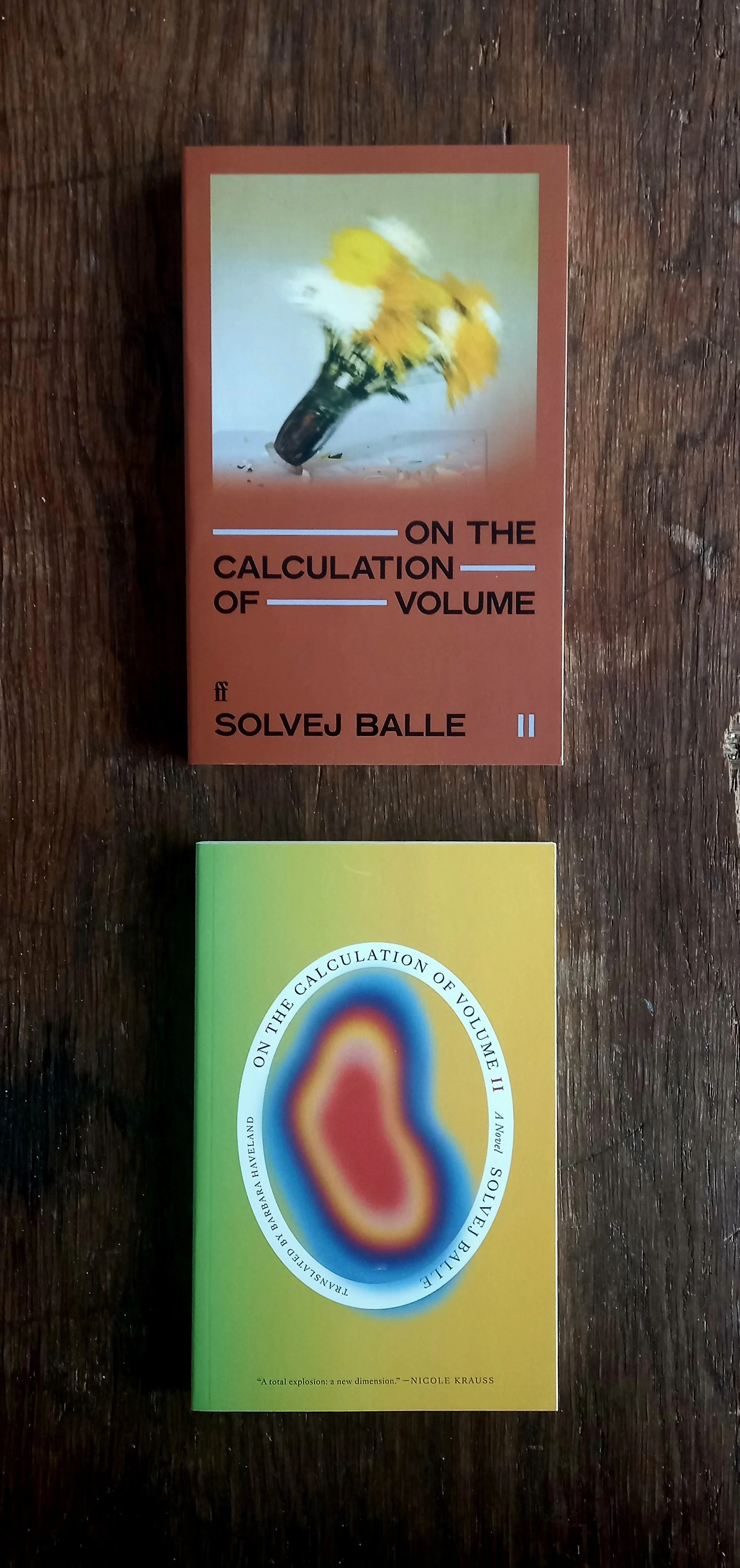
You may well ask why I am only reading the second in this series, when four have already been translated. I’ve been saving it, and I am pacing myself, becuase i know I will be disapppointed when the seventh and final instalment arrives and is read. I was captivated by the premise of Solvej Balle’s books. A woman stuck in a repeating day; well in fact her day doesn’t repeat — everyone else’s does, her days go on, but the date remains the same. As soon as I was back in November 18th Iwas hooked all over again. I love the mundanity of this book, her endless time, her inabiliity to hold onto things unless she sleeps in them or she tucks them under her pillow. Luckily, after a while objects stay with her. In this segment of her strange life, she is craving Christmas and New Year, and turns up at her parents, explains her predicament, and insists on Christmas. The next morning, they having forgotten about her being there and what happened, she explains her situation again. This time (her next day, their ordinary November 18th) there are only Christmas leftovers. As I was reading, I had all sorts of questions. Why didn’t her parents call her partner to alert him to Tara’s strange behaviour? Why did they not attempt to interfer in her, for what must have seemed to them, pyschological episode? But then I had the answer: they have forgotten. And then Tara is gone, in their minds never been there. She keeps moving, chasing the winter, going north looking for the cold, wanting to wear a winter dress. On her travels, she at first remains outside of others’ lives, but slowly she is allowing herself to become part of other people’s happenings. I wondered, is this dangerous? How will it change another’s experience, or will her interaction leave no residue? Or will Tara Selter end up divided across time and space if everything returns to normal? if we can understanding time at all, that is. Eventually she tires of this endless quest. She knows, despite her written record of the days that are going by, that it is November 18 and she can no longer pretend a winter that does not exist. She heads to warmer climes, and at the close of this book we find her settled in a flat, an invisible person, attending lectures at the university. She has a new hobby: an obsession with the Romans. Here we leave her and she teases us with her knowledge that there are others just like her. Tempting to read book three right now!

Cruelty is never too far from the surface of Rachel Cusk's novel, Second Place. M owns an idyllic home on the marshland with her second husband Tony. They have rescued the land and built a home for themselves in this remote and abundant place, and share it, that is the cottage—the Second Place—by invitation. M has been fascinated by the art of L since an early encounter with his work in Paris after a nightmarish experience on a train, an experience that the reader is never fully informed about, yet the spectacular—a devil, metaphorical or real—remains as a threat throughout. So when M, after years of obsession with L, finally convinces the artist to come and stay, to retreat and paint, her expectations, as you can anticipate, are high. Her expectations of fulfilment, creatively and psychologically, are painfully ridiculous in a middle-aged, privileged sense. What does she expect from this special bond with L? When L arrives—by private jet of a friend’s cousin—with said friend in tow, the beautiful and young Brett, M is miffed. You can’t help but feel little empathy for her. Her desires are unreasonable and ethically questionable, let alone uncomfortable. M’s obsession with a self-seeking, seemingly loathsome and churlish fading artist is misguided at best. Add to the mix M’s daughter Justine and her German boyfriend Kurt, arrived from Berlin as their jobs pack in due to a downward economy (and Covid—although this isn’t mentioned by Cusk), and the perfect pressure cooker for a melodrama is set. The novel is told as to ‘Jeffers’ by letter. We never meet Jeffers and have little knowledge of who Jeffers is and why he plays such an important role as confidant to M. What we can decipher later, from the afterword, is that the novel is inspired by Mabel Dodge Luhan’s memoir Lorenzo in Taos, published in 1932 (there’s a contemporary review in the New York Times archive) about D.H.Lawrence’s stay at her artist retreat in New Mexico. Here too, is a story of obsession and delusion, and letters to Robinson Jeffers about Mabel’s experience with the Lawrences. Yet you don’t need to know this to find the writing compelling, the prose poised and the content both farcical (the storyline of Kurt deciding to be a writer and his ‘reading’ is priceless) and unsettling. It will make you squirm. This is a novel about ownership—who owns whom—and the power or agency of one over the other or the ideas of the other. M will come to despise L and L already despises M, and sets out to destroy her. Yet his ability to do so is compromised by his own weakness, according to M. And here lies the dilemma: the narrator. You can’t like her. Her complete preoccupation with herself and her property, whitewashed, much like the walls of the cottage, with a veneer of care, is revealed in her asides to Jeffers and by her knowing attitude about the creative process within the isolation of someone basically just talking to themselves. Yet, the novel reverberates within its cliches and set-ups to bring the reader to the eye-watering conclusion that Cusk has cleverly played a game of cards where most of the best cards are hers—and the reader is in second place.
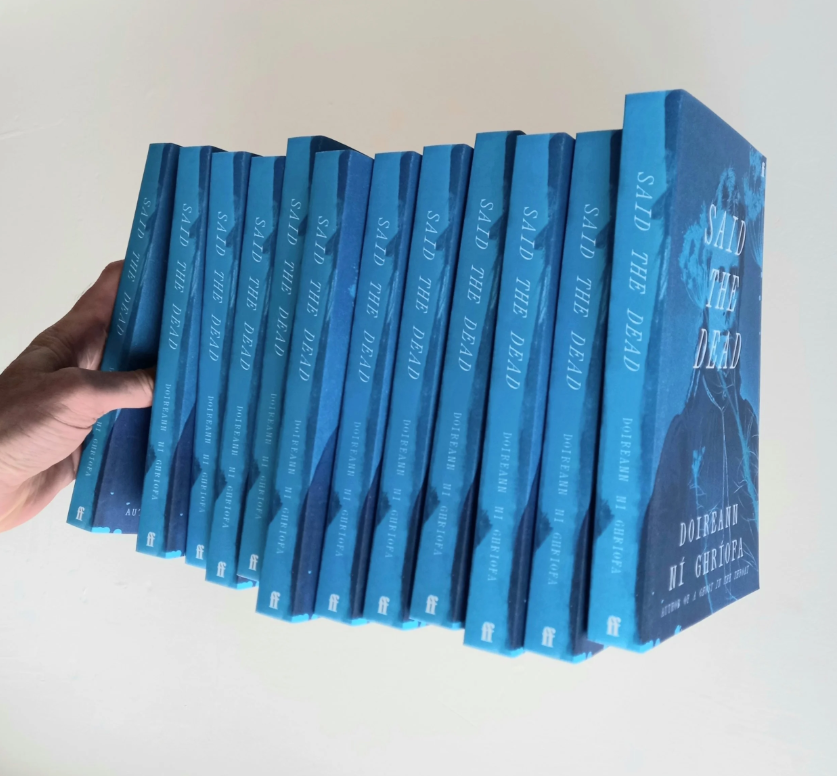
I want to be heard. Read me, see me. These are the murmurs escaping from century-old casebooks and played out across the pages of Doireann Ní Ghríofa’s novel of a Cork asylum: the multitude of women who were committed there, and a female physician L. Strangman. The derelict Victorian hospital is crumbling away, readying itself for a new life as apartments. The ‘For Sale’ sign triggers a response in the researcher. It beckons to her: a sign to act, to delve into the past, or be pulled into it, by the voices that eminate from the archive, from the casebooks. The casebooks, notes made over years, decades, talk to her. They call her back: the more she reads, the more she learns; the more she learns, the more she brings these entries into the light. In Said the Dead, Ní Ghríofa employs the style of archivist, historian, poet, novelist and memoirist to take us into the past, and to the bring the past into the present. Time merges, voices merge, women call to the author, and to the reader from across the divide of time. A ghost story of literary proportions, told with empathy, deep recognition and startling awareness, time and place are overlayed in Said the Dead — there is no straight line. Like her early memoir/autofction , A Ghost in the Throat, the rules of engagement are blurred. Who’s speaking? Is it a woman emerging from the casebook, her story jotted down in the doctor’s quick precise hand, or is it the author’s pencil (only pencils allowed in the archive library) performing an act of seeing, of bringing the patient to life with a richer nararative. Here imagination and fact mingle, yet still feel so accurate. Said the Dead is a work of research — the asylum, a building of vast preportions, is a real place; the abandonned wastelands of the soon-to-be building site really were boarded with sheet iron; and the author, I imagine, did graze her leg inching through to explore. The story of Lucia Stangman (who we get to know well, beyond ‘the facts’, via the author’s pencil), the first woman doctor to enter the asylum service in Ireland is compelling, and the patients are not pretend players. Yet Doireann Ní Ghríofa takes it further. She invokes something within herself, is compelled to write, as we are to read, the stories of these women, to bring them out, to shake off the grime and cobwebs of abandon, to see them as more then the almost forgotten in casebooks crumbling under the narrator’s touch. As with her earlier work, she is a player in her own book, pushing at the conventions of the novel form while embracing the ability of story to compell us to read, to hear the voices and for a moment to be there; whether there is sitting beside her in the archive library or walking in a corridor humming with the activity of asylum’s morning routine.
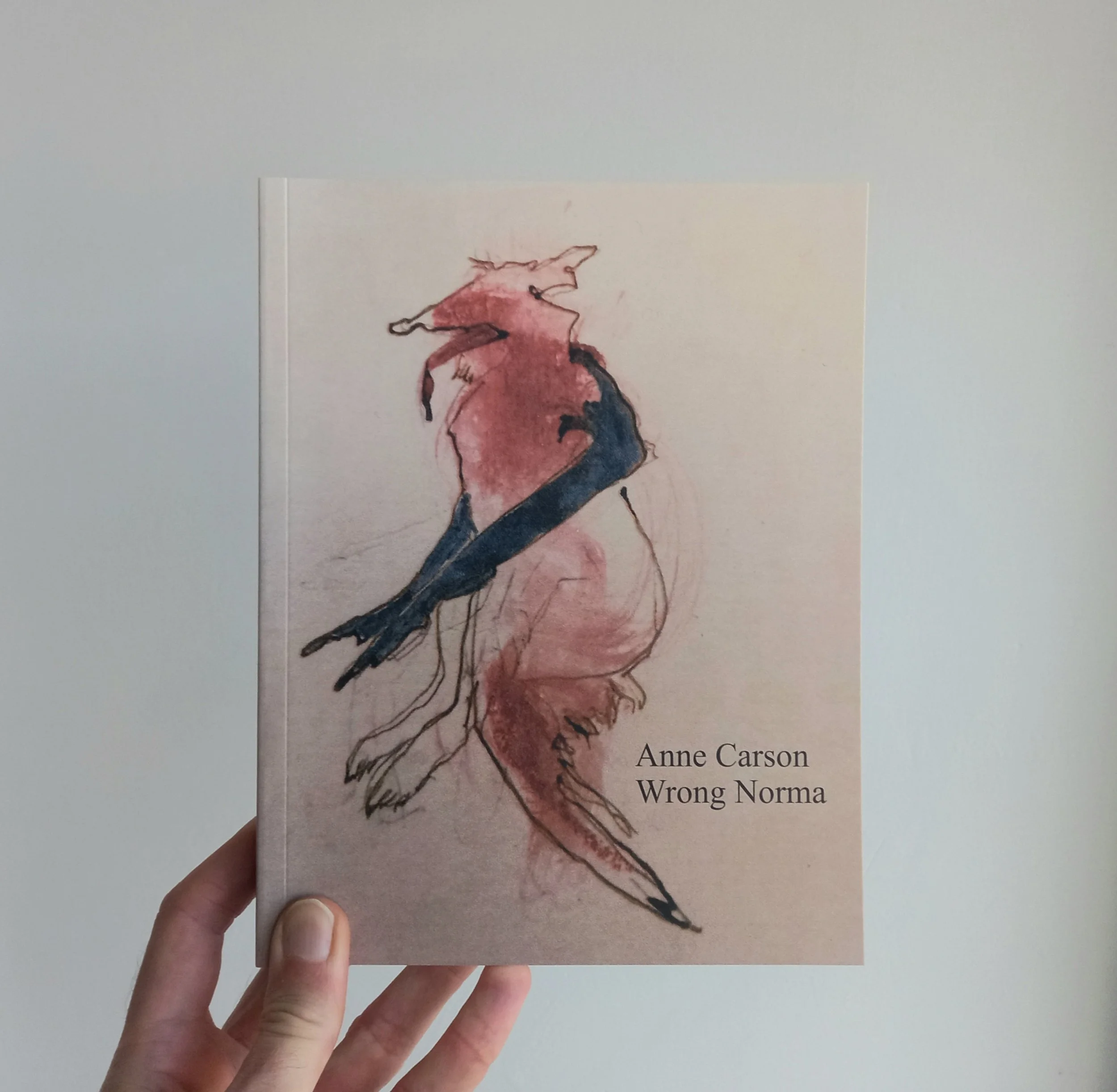
Anne Carson is a Canadian poet, essayist, classicist and translator. In Wrong Norma, variously described as prose poems or prose pieces, she is confronting writing and ideas. She allows thoughts to take the lead, to follow the other, in sometimes bewildering, sometimes illogical ways to paces where juxtapositions and contradictions segue into each other with a wonderful ‘wrongness’. And what is the idea of wrong? Her description of this project (as most of her published works are: she makes a handmade book, which is then produced as a facsimile by her publisher) is elusive and offers a brief explanation: “...a collection of wrings about different things..” And this collection is wide-ranging in subject matter, from swimming to snow, Joseph Conrad and Emily Dickinson, riffs on Socrates and violence, observations on poverty and displacement, a piece of writing by the Sky, in fact a week-long journal, my favourite being a conversation on Wednesday with Godot, and an image essay reimagining the meeting of the German philosopher Heidigger and the Jewish writing Paul Celan in 1966. Re-reading any one of these prose pieces is submerging. (The idea of suubmerging also links strongly to the first piece on swimming, so desire to be in water, out of air). They are endlessly curious, striving forward, to what one is never completely sure, and this makes them compelling. You return to discover something new and surprising each time, and it makes you ask questions rather than look for answers. In this work, Anne Carson seems to be asking questions and there are these wonderful scrap paper interludes between each piece. Some with merely a faintly typed comment or questions. Others that are dialogue, questions and answers, the questions often repeated, the answers varied — are they questions put to a host of visitors or characters or the author talking to herself? These repetitive questions include: “ Do you like the films of Eric Rohmer?”, followed by “Do you like jam?”, as if asking these simultaneously is a given. The other question that pops up repeatedly is “ What is yor philosophy of time?” With answers variously being: “I’m quite sure we’ll surrender” to “ how it’s sweet and how it’s moving” and “ a shallow closet with narrow bench and a rope to pull you up”. Are the recipients answering this question or even hearing it? Or are we always in conversation at cross purposes? Many of the text peices are reflecting on the process of writing. What is language, and how does it work? When translation is evoked, what happens to the text, whether this is translating yourself or others? Perspective and observation can be wrong and this wrongness leads to discoveries. Anne Carson calls these pieces wrong and enjoys herself. These is intelligent and playful writing. There is much here to amuse, as well as provoke thinking. But who or what is Norma? There is a reference in one piece to Norma Desmond, a character played in a film by Gloria Swanson, but I wondered if here the translator in Carson comes to the fore. Norma in latin can mean rule or pattern; in Greek, examiner. In an interview with Paris Review, Carson describes writing like seeing and following a fox. “I think about it as something that arrives in the mind, and then gets dealt with if it’s interesting. It’s more like a following of something, like a fox runs across your backyard and you decide to follow it and see if you can get to where the fox lives. It’s just following a track.”
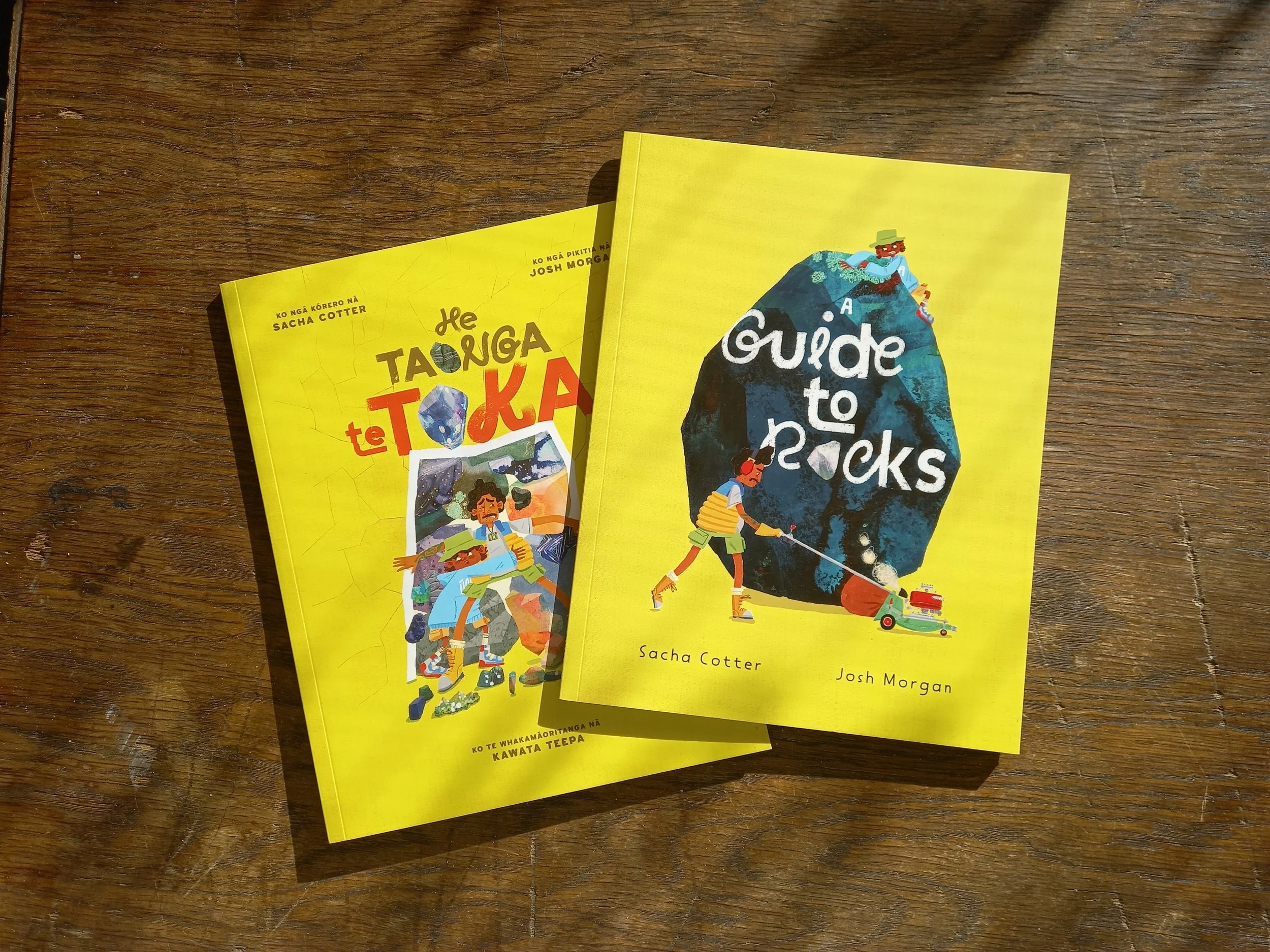
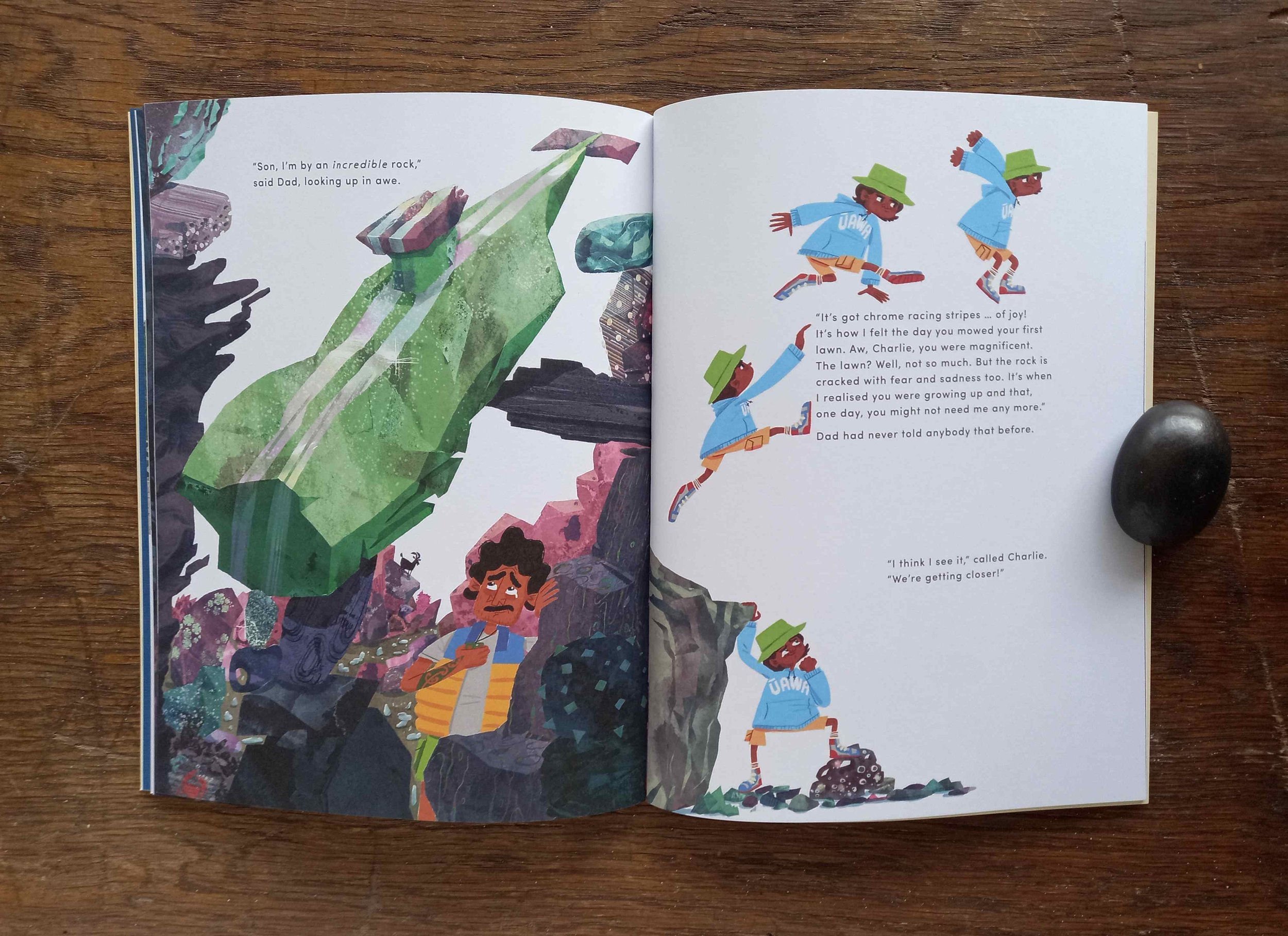
We all have times when things are too much, when we fall out with friends, or we have to be brave even when we are scared. For children, story-telling can be a perfect way to recognise emotions, articulate feelings, and unpack complex situations. A Guide to Rocks is excellent story-telling; employing humour as well as heart and opens doors to conversations, understanding, and empathy.
From the pen and brush of the excellent Bomb and Dazzlehands, comes A Guide to Rocks. This is the best picture book I’ve come across about feelings and how to unpack them.
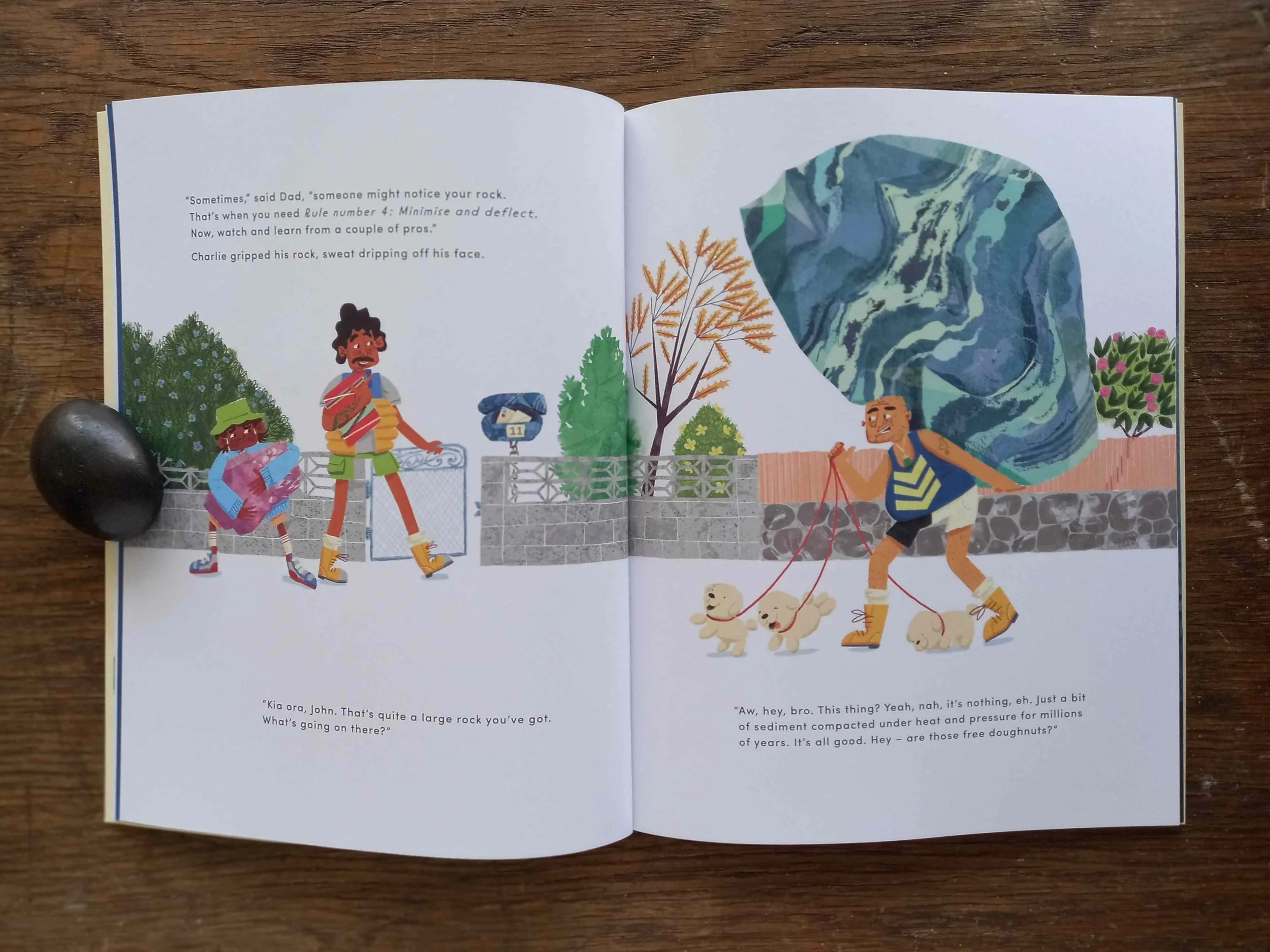
Charlie has a rock. It’s a beautiful pink crystal, but there’s something about it which worries Dad. As Dad tries to instruct Charlie on the way to deal with his rock — hide it, ignore it, deflect attention from it — it just keeps getting bigger! Eventualy the rock gets so heavy and large it joins with many others and pushes Dad and Charlie apart. It’s going to take some effort to turn this rock over, but possibly together they can do it. This is a stand-out picture book. The text is great, Dad and Charlie are excellent characters, and there’s plenty of heart and humour. The illustrations are delightful, full of the same energy and humour as the award-winning Bomb. Clever, funny, honest, and also useful. A Guide to Rocks lets children (and parents) knows it’s okay to vulnerable, to express your fears and doubts, and that you are not alone.
This week the New Zealand Book Awards for Children and Young Adults winners were celebrated, and Read NZ Te Pou Muramura launched its inaugural New Zealand Children’s Book Week. These things matter.
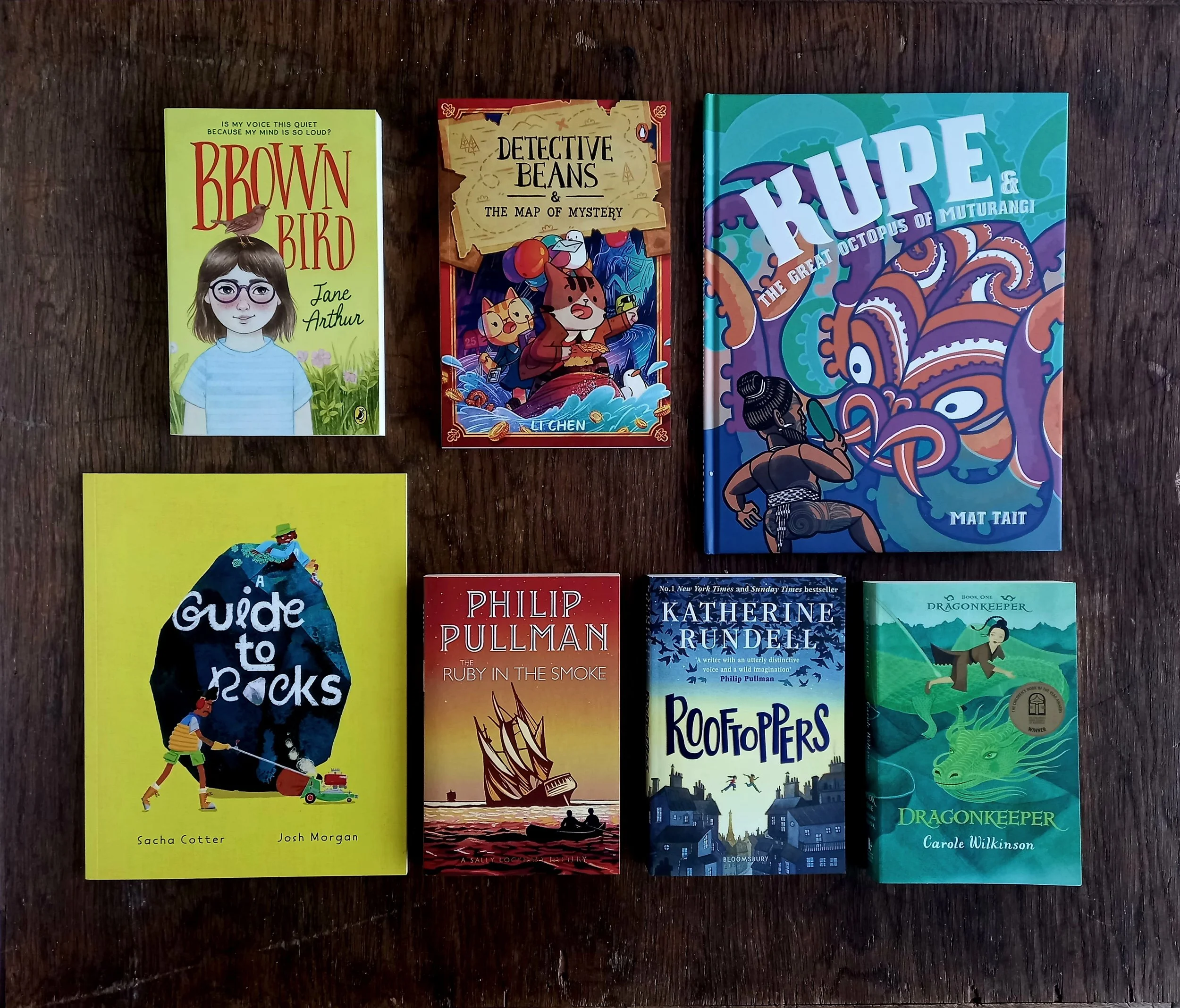
Firstly, book awards. They highlight the best in children’s writing and illustration in Aoateroa. Congratulations to Sacha Cotter and Josh Morgan for taking out the top prize with their excellent A Guide to Rocks. (You can read our review here). The judges said: “With A Guide to Rocks, Sacha Cotter and Josh Morgan have created a book that tackles a serious topic and yet maintains a sense of humour and joy, without a hint of glibness. This captivating book belongs in every home, school and library in Aotearoa.” And congratulations to local author Mat Tait for Kupe me te Wheke Nui a Muturangi, taking out two awards: for a book originally written in te reo, and the esteemed Illustration prize (you can see some internals here). With its punchy graphics this is excellent illustration, typography and story-telling. The judges said: “This is a skilfully designed and engaging book that maximises use of vibrant colour and illustration to make the story pop off each and every page.”
Secondly, they place books and reading for children front and centre. The theme of this year’s book week is Reading Around Aotearoa. There have been activations, media, resources, and events during the week encouraging ‘parents, teachers, caregivers and whānau to make reading a priority for children in their lives’. These campaigns happen for a reason. Children’s literacy is declining (in line with literacy generally). This is something we all should be concerned about. I think the single best thing you can do to turn this around, is to read to children and give the book a visual presence in your home. Studies show that having books in the home, even a few, makes a difference to education and life outcomes. Whether you own the books, find them in your community’s Little Libraries or borrow them from the public library, engaging with books is vital.
In a world where there are many distractions from the news feed to gaming to what’s happening on instagram, or the general pressure of trying to keep up or pay the bills, carving out a niche for reading can seem daunting. Yet making reading a daily habit can take as little as a few minutes, and reading aloud with your children can be the activity in your day that will be the most rewarding. Here’s a selection of some of our favourite children’s books. Warm-hearted Brown Bird by Jane Arthur – we keep recommending this one. The always excellent Kathrine Rundell’s Rooftoppers (and all her other books). You know the His Dark Materials series from Philip Pullman, but you may not be aware of the feisty Victorian detective Sally Lockhart in The Ruby in the Smoke. And great as a read-aloud or read on your own, the story of Ping and some fiery dragons, all set in the Han dynasty should be on everyone’s reading pile. Start the series with Dragonkeeper. And for children who enjoy words and image on the page, try these cat detective graphic novels– adventures told with verve in Miss Cat from French duo Jean-Luc Fromental and Joëlle Jolivet, and plenty of fun in Detective Beans from New Zealand comic artist Li Chen.
Not sure what to read next, or to give to the children in your whānau? Just ask. We can find the right book for the child and for your storytime reading. If you would like to expand reading horizons further, explore our reading subscriptions.
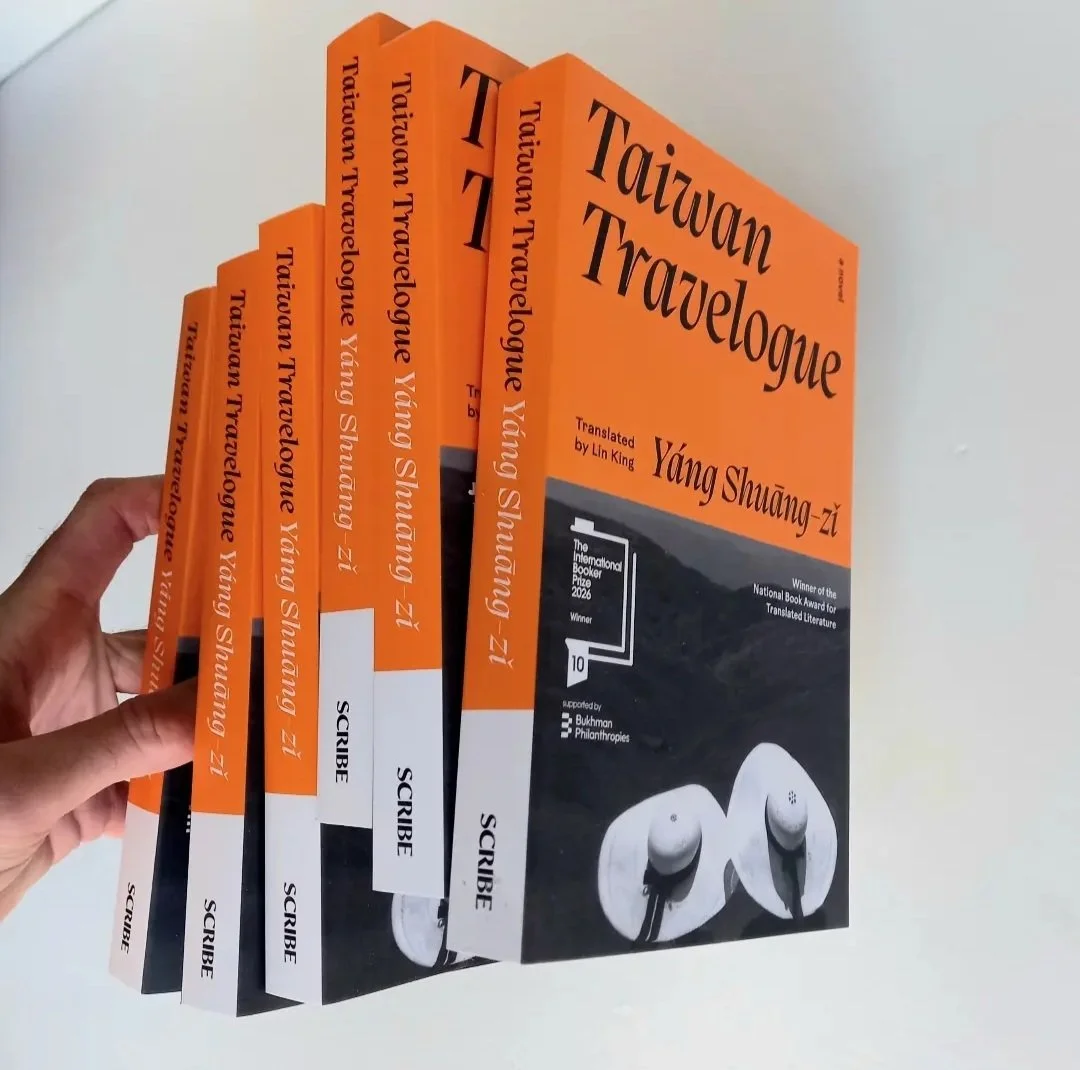
This week at our Talking Books session we disucssed the 2026 International Booker winner Taiwan Travelogue. The conversation was wide-ranging: we talked about the content, themes of colonisation and power imbalances, the love story, language and translation, and the novel’s structure. Initially published in Taiwan in 2020, disguised as a translation of a rediscovered text of a Japanese writer from the late 1930s, its premise rests on the experiences of a writer touring Taiwan in 1938 and the relationship they develop with their translator. Aoyama Chizuko is a young woman, famous for her semi-autobiographical novel, a work that has captured Japan in print and in film. She’s in a position of privilege, able to live an independent bohemian life. She’s free to choose her own path. She heads to Taiwan to write about the place, the people and, in particular, the food. She loves to eat and has a furious appetite. Her initial assigned government interpretator is not to her liking, and, not very long after she arrives, her host introduces her to Ông Tsian-hóh (Ō Chizuru). This young woman will be pivotal not only in Aoyama’s experiences of food and culture in Taiwan, but also her emotional development, although one can not be sure just when Aoyama to recognises her lack of awareness. Aoyama is as demanding as Chizuru is accommodating. Through their travels on the island, the foods consumed (many) and their conversation, Yáng Shuāng-zǐ reveals much about Taiwan’s history, the Japanese empire's desire to colonise Taiwan as a gateway to the south (they arrived in 1895 and left in 1945 when Taiwan was handed to the Republic of China), and the many layers of power within society at the time. While Aoyama becomes increasingly enamoured with Chizuru, attempting to convince her to forgo an arranged marriage and move with her to Japan, she is blind to the reasons the young interpreter refuses this offer. Playing detective, Aoyama bullishly keeps questioning the young woman trying to unpick the story. How does Chizuru know so much about all the different foods ? How come she speaks multiple languages? Why does she insist on walking miles when she could just stay at Aoyama’s lodgings? What she doesn’t think to ask is: What does Chizuru want. Aoyama forgets that whatever she asks for will be attended to — Chizuru is her employee. Here is a situation of taking and giving, one where Aoyama is blind to the fact that her position, in spite of her obvious care for and love for this woman, makes the situation impossible. In this way, these characters carry the perspective of opposing forces within their psyche, much like the roles enforced by colonisation. Read Taiwan Travelogue for the history, the food, and to gain a little insight into how the past informs the present in this interesting country. Read it for its enjoyable structural play. There are footnotes from translators, there are notes at the back ‘fictionally’ responding to the ‘fictional’ publication of the rediscovered classic. The English edition is excellently translated by Lin King.
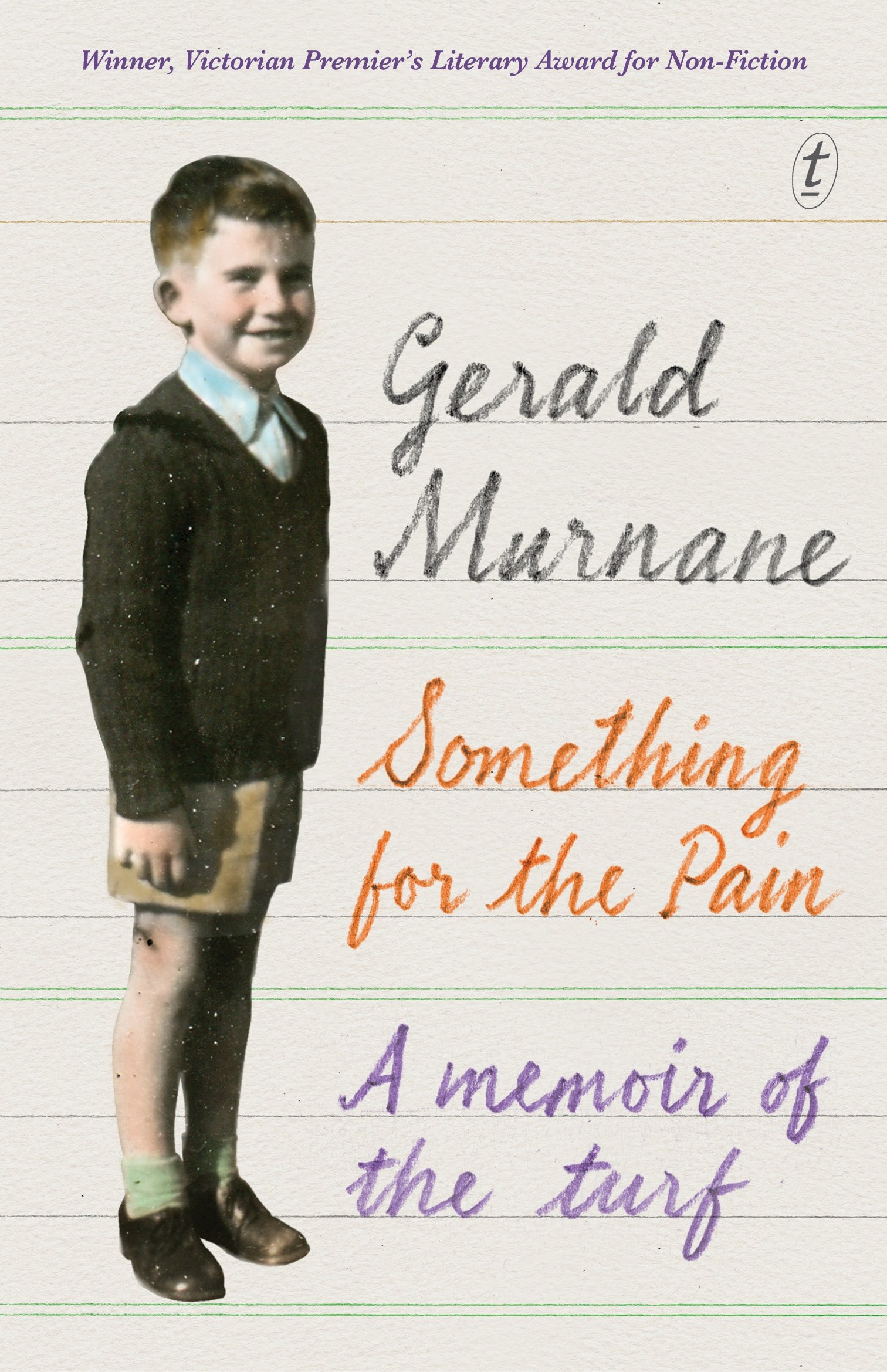
Still on racing and literature this week. I’ve been reviewing books for just over a decade on RNZ, and this week I had a thematic twist with my book selection: it was horseracing, which I find hilarious for a number of reasons. One: I’m in awe of horses, i.e a little terrified of their majesty (so, not a pony-club child, even if I did have a short fixation of wanting a pony and thinking there was plenty of room on the front lawn). Two: I have little interest in horse races and even less time for gamblers. This view was formed as a bored child waiting in the car outside the TAB, not quashed by the minute or so excitement of going to Trentham once — after the first race, there seemed to be a long hot day of waiting in the ‘family picnic area’ — a parched field of cars, mothers with headaches, and restless children. But I digress, as Gerald Murnane would say in his excellent memoir Something for the Pain. His love of horseracing started as a child, with the pictures of the horses in the newspaper and the racecallers’ voices through the radio. The names of the horses, the colours of the stable, the overheard stories of the adults around him: all a source of fascination. Strangely, he was not put off by his father’s wins and losses at the track; the debts often life-changing for the family. Murnane writes with such verve that I couldn’t help but be pulled in. In each chapter he tells a tale, one that reveals as much about the history of the racetrack in Australia from the 1940s through to the 70s and the people in his orbit, as it does with his idiosyncratic obsession (more on that later), and his life as a writer. (If you haven’t read any Murnane: think Beckett or Proust living in smalltown Australia.) His is the kind of writing where you stop mid-paragraph to wonder at the ease with which the language develops on the page. The sentences are near-perfect, the elliptical nature of the prose delightful rather than frustrating. And back to his idiosyncrasy. He has a real and imagined world of horses, names and colours. The colours of the stable being a central component of his love of the racetrack. When he describes two favourites in a race being (brown and white) (brown and cream) — always bracketed after the horse’s or jockey’s name — I imagine the field of horses racing around the track and the punters with their binoculars attempting to tell them apart. His imaginary world (not in this book; you’ll have to seek out a documentary about Murnane to find out more about this) consists of coloured marbles, names, and many files. It’s his schema. Which he does talk about in the memoir. A lifelong ambition to find the perfect betting style. Murnane’s gambling is one of patterns and restraint, of rules and analysis. It’s keeping your eyes open and ears to the ground, a studied form-book and people-watching. In Something for the Pain there is the comedic and the tragic; you could read it for the horseracing; for the insights into people’s behaviour, both good and bad; for the enjoyment of Murnane’s language; or to understand this excellent writer’s approach to literature.
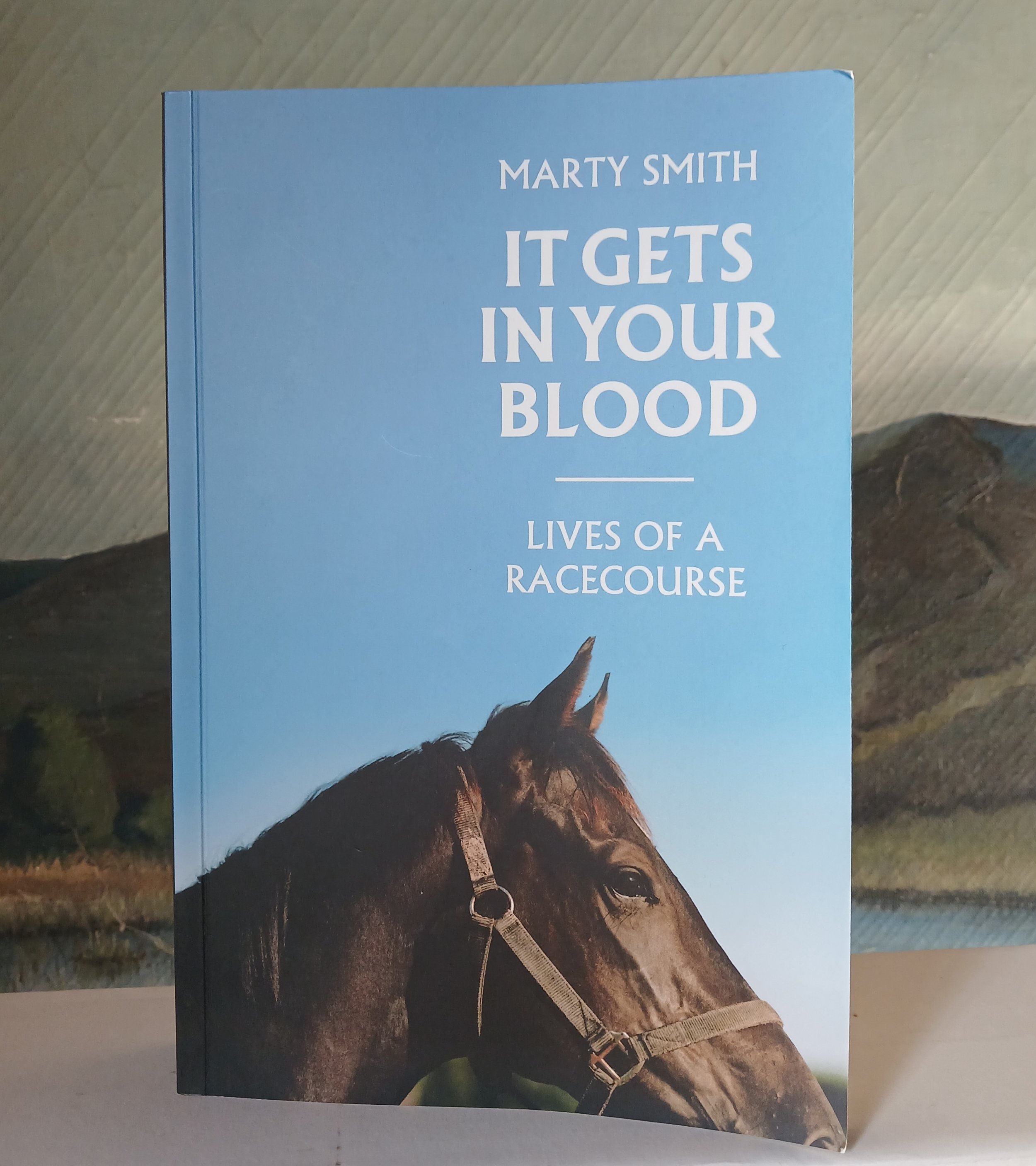
I never intended to be so topical. The news of racetrack closures across Aotearoa has been popping up across the channels this week. Reading about horses and the lives of those that work the track wouldn’t have regstered on my radar a few years ago, but after reading the compelling Kick the Latch by American author Kathryn Scanlan and watching Australian author Gerald Murnane talk about his obsession with horse racing, both real and imagined, and how it shaped his writing, had me reaching for the ARC (Advance Reading Copy) that had landed on my desk. Marty Smith’s work of memoir and portraiture It Gets In Your Blood: Lives of a Racecourse is centred on her local, Hawke’s Bay Racecourse, and follows the lives of the trainers, jockeys and trackworkers across a decade. Like Scanlan’s novel, she gets inside, behind the scenes. While Scanlan did this by developing a relationship with Sonia, a retired trainer, Marty is more like one of the crew. She’s trusted: she’s been a rider, owner/breeder; her family working with horses for generations. What started as a year-or-so project for this full-time teacher and poet morphed into a decade immersed in this world of thoroughbred racing, and the people who inhabit it. It’s a portrait of a community, one with its own rules, attitudes and language. A world where the horses are descibed as good and naughty, of 5am starts, of watching form and testing track conditions, of daring and risks — accidents happen. It has its stars, and its hacks, wins and losses.
In 2014 Marty Smith won The NZSA Jessie Mackay Best First Book of Poetry Prize for Horse with Hat, poems about her family, about horses and their human counterparts. Nina Mingya Powles described the collection as ‘gutsy’, the poems giving ‘ the impression of standing on the side of the road when a car swooshes past and you feel it shake the air in front of your face, tipping you a step backwards’. And Emma Neale wrote, 'This is alternately comic, wry, downbeat, vernacular, lyrical: yet is is also at times dark, plangent and moving in its use of narratives distilled from extended family relationships.' Smith brings these same sensibilities to her latest work. She gets alongside, witnesses and records faithfully, bringing to light the often unseen world of the trainer and the trackworkers. It Gets in your Blood has grit, drama alongside the daily grind, humour and pathos. There’s the vernacular of the workers, wry and sometimes oblique, often colourful; and the language of the track. For horse lovers some of this won’t be a foreign world, although it is a more particular subset of the riding world. For those who head to race days the terms of the Plough, Tie-Ups, Birdcage, Bullring, and so on, will be familiar. For the rest of us, we are outsiders, but through Marty Smith’s book we can come inside for a moment, she gives us a window to this world, blinkers off. In this it reminds me of Sven Lindqvist’s Bench Press (a dive into the world of bodybuilding). Like Scanlan’s book of episodic moments, Smith employs a shortpiece motif in the form of diary entries, ideal for this many-yeared project and for an industry that has a season, which kicks off in Spring. (Note: the Hawke’s Bay Racecourse is reopening very soon after unsafe track conditions closed it in September 2024 and, if you are in Hawke’s Bay, the book will be launched at the racecourse on Saturday 8 August). Like Kick the Latch, these pieces sometimes have witty titles, focus on a particular activity or happening, or a revealing conversation. There’s a handy map of the racecourse, as well as a table to explain the track form for the uninitiated, and a much needed list to the large cast, all those she spoke with and wrote about, and their roles on the horses and off. Occassionally, there’s also Marty herself, describing her own relationship with horses, her father and the love and respect she has for the industry. In her acknowldgements she reveals the working title for her project: Because I Love Them, claiming this was the answer, in one form ot another, to her question: Why do you do it? I think this is also the reason for Marty Smith’s immersion, and the result is Aotearoa’s own piece of racing literature, exploring a microcosm all its own.

A few years ago, I did a piece of concentrated post-grad study through the art school at Otago Polytechnic. An idea had been pestering me for several years, and I needed a focus to make it over the hump from rattling about in my mind to becoming something actual in the world. I’m usually project-driven when it comes to my art practice, but sometimes an outside structure (deadlines, unexpected conversations, an introduction to whole new bunch of thinkers and artists) is just what you need. Anyway, the study — a great mix of practical experimentation and theory, reading and writing — was perfect for this idea and I finally got it out of my system (mostly). The exciting thing, apart from the study itself (yes, I would do more if time and money weren’t barriers), was what followed: an exhibition and an accompanying book. I never intended to write a book, let alone a book of short stories. That was 2023. The book sold out (admittedly a small printrun) and we reprinted. Now there are just a handful left. So, if you are curious about these stories, interested in jewellery (or objects in general) and our relationship with it (bodily and psychologically), you might like one of the final copies. And it’s also nicely produced, has diagrams and an index, and, although I never intended it, it is surprisingly funny.
(PS: I think there is another book brewing…)
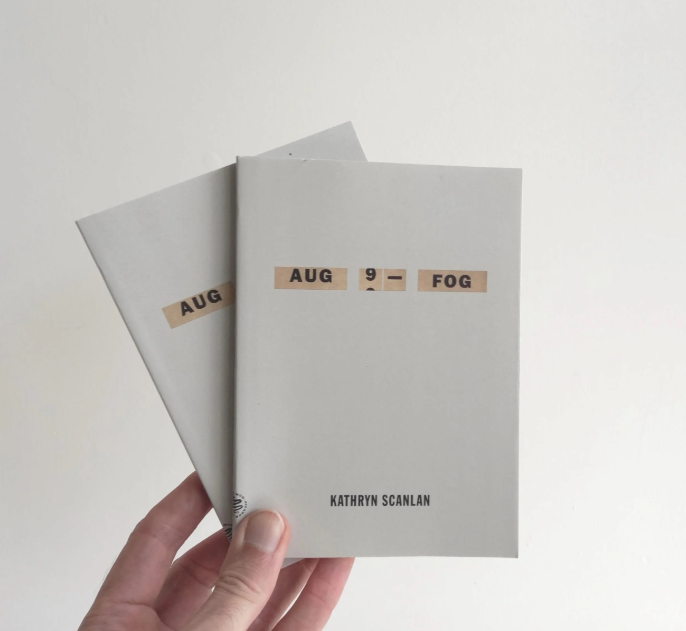
Aug 9 – Fog could be called ‘How A Notebook Became a Fiction''. It could be dismissed as a disjointed list, or recognsed for its realist nature, or, more aptly, embraced for its brilliant author’s machinations. Kathryn Scanlan, author of the excellent Kick the Latch, found a five-year diary at an estate auction. Falling apart, worn, and illegible in places, somehow it resonated with her. These notings of daily life; the weather, the visitors, the ordinary weariness of aging. There’s food and gatherings, the deaths and births, iilnesses and misadventures as well as the mundane beauty of life. Our diaries or notebooks are our own, whether that’s your physical journal or digital one. We have our own shorthand, the initials or pet names of our most initimate family and friends. Our own shorthand for tasks, thoughts or feelings. Some of us are visual recorders — a sketch or a doodle; while others will write long paragraphs intermittently. Some of us begin well and peter out before the year is done, leaving crisp pages for another purpose (maybe scoring board games). But back to Scanlan, who spent fifteen years reading, studying and dissecting the diary of this elderly woman. Taking it as inspiration, she has written her own version, a series of fractured, seemingly irrelevant, episodes or jottings. As you read on, allowing yourself to abandon trying to work it all out, patterns of time, people, emotions, weather etc emerge. Here, an ordinary life, captured in a work of both deconstruction, almost destruction, and creation. Through Scanlan and her interpretation or disruption, we find in our hands something remarkable and surprising.
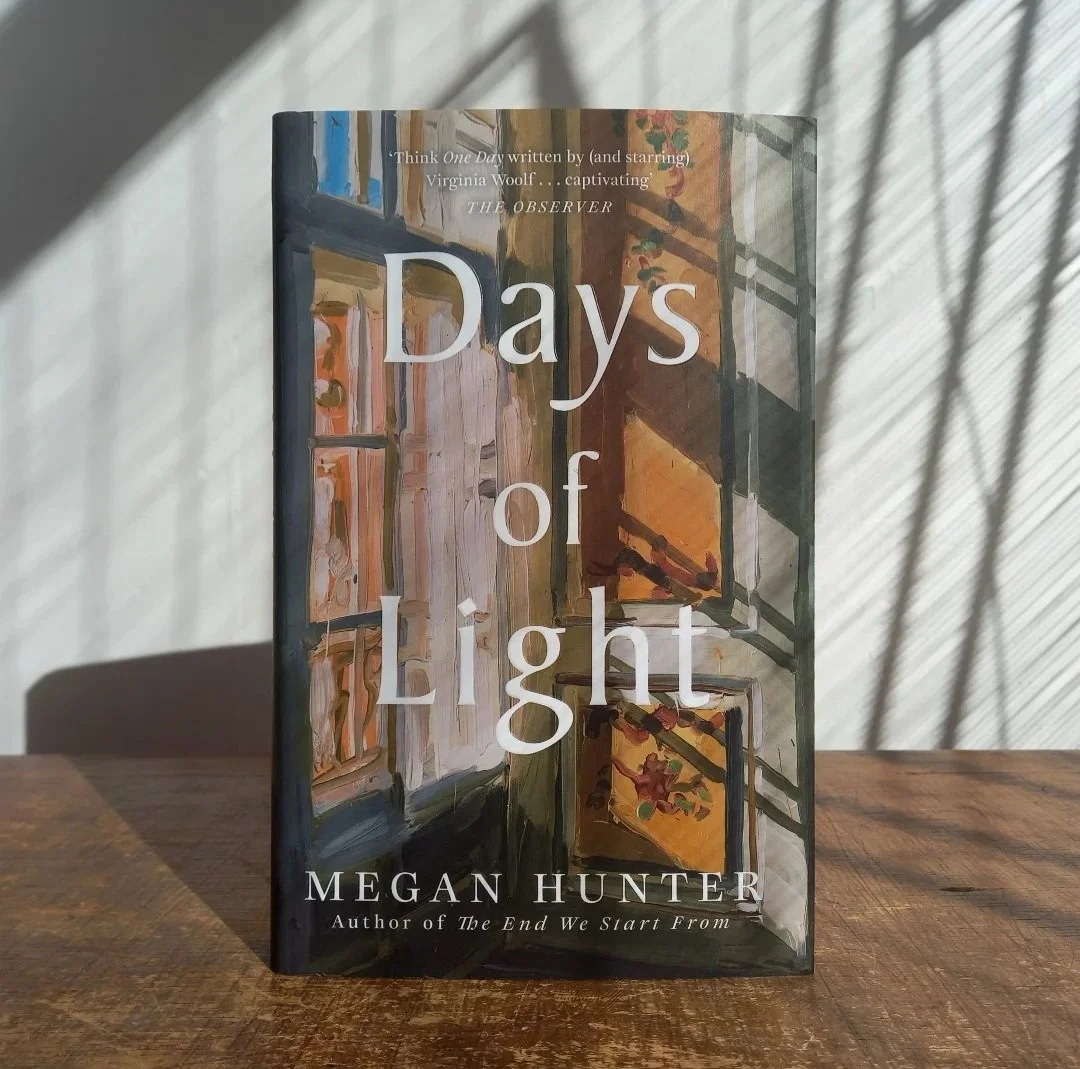
Megan Hunter writes beautifully. I was beguiled by her first novel, The End We Start From, with its mesmerising poetic language and precise emotional observation of parenthood under pressure. It was cli-fi of a literary nature. When Harpy announced itself, the dials turned a notch or two higher on the pressures of motherhood. This was a darker encounter amid the chaos of betrayal. Language-wise, again, taut and precisely tuned. Days of Light has a luminosity all of its own. Open the book at any page, and the language takes you to the inner world of Ivy and the times she lives through. Opening in 1938, we meet Ivy, nineteen and ready to launch into her ‘adult life’. It’s Easter, war on the horizon. The family gathers. (Think Bloomsbury group. Unconventional.) The guest of honour, her much adored brother Joseph’s fiancée, Frances, is running late for lunch. Although the train is late, all seems right in the world, until the spell of this idyll is broken by a drowning incident. A singular moment that will change Ivy’s world. Swimming under the stars Joseph disappears. Ivy, his swimming companion, can’t save him. All she recalls is a bright shining light. This elusive light will appear in different guises over her lifetime. Days of Light recalls Ivy’s life in 6 precise days; Easter Sunday 1938, April 1938, April 1944, April 1956, April 1965, and Easter Sunday 1999. Frances will appear across these pages (she is like a touchstone for Ivy), and others who are core to her. Bear, the writer, who becomes her older husband. Her fraught relationship with her artist mother, and her more familial love for Anne, their housekeeper. But it is Joseph who propels her onward towards a luminous answer about what life is, almost always just out of reach. Ivy is always searching, looking for an answer beyond herself, in language, in art, and in faith. Ultimately, it is in the moments when she turns toward herself, that something unexpected is ignited. With reviews mentioning Virginia Woolf, Katherine Mansfield and Graham Swift, Hunter has a lot to live up to. Days of Light is luminous in content, structure and language, and a telling portrayal of a woman’s life through changing times.
Hardback in stock, Paperback due September 2026
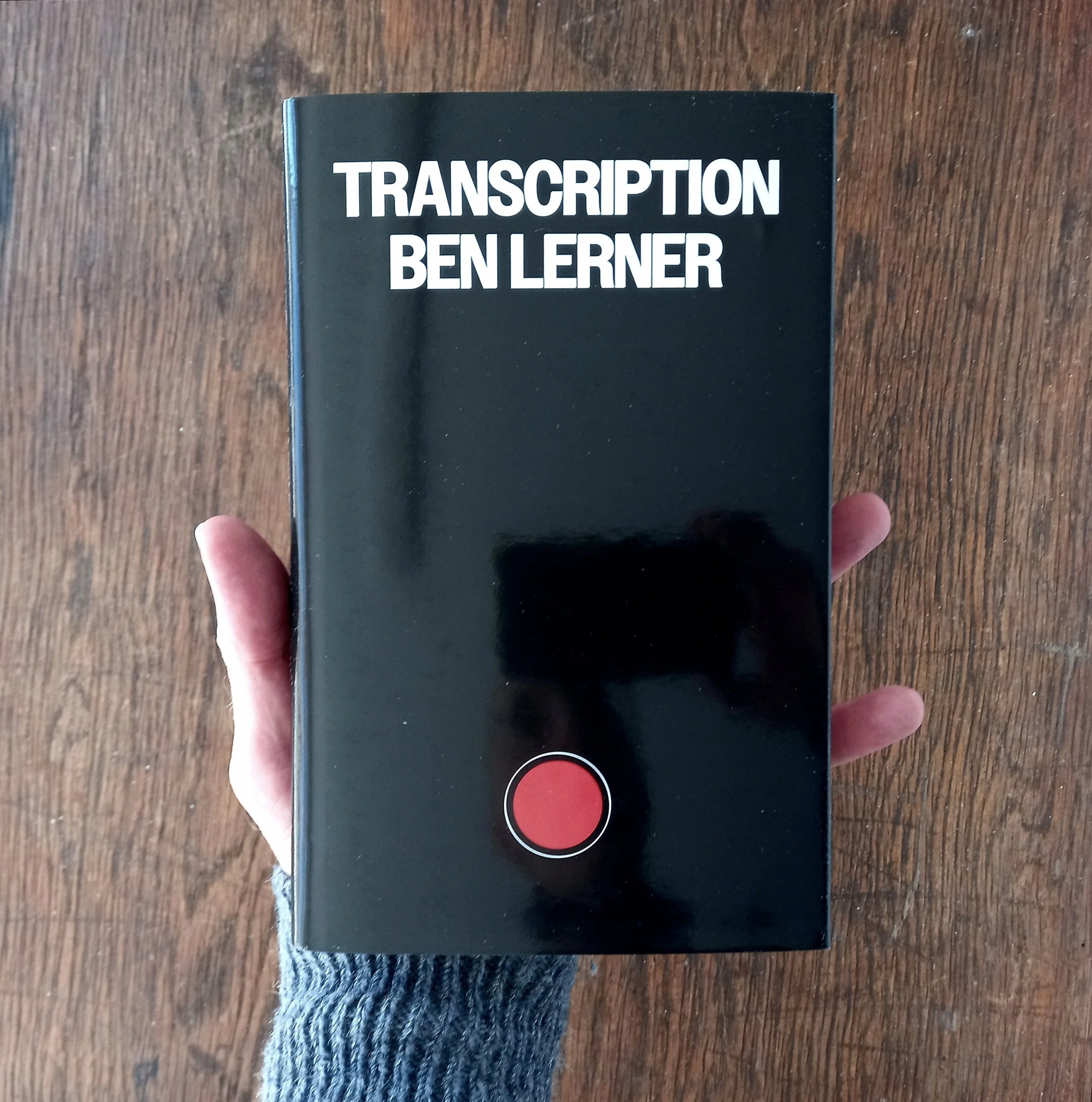
Where to start with this slim novel? It’s brilliant. The writing is crisp. Lerner not only writes well, but with economy. Each word feels as though it belongs on the page, each action or non-action vital. Transcription is about things that matter; not a cluster of meaningless or fabulous characters or plot twists that may entertain but don’t add up to much in the end, like much of what passes as a novel in the oversaturated publishing world — as well as other social media that tell ‘stories’. Ironically, a central theme in this novel is technology, and it’s definitely exploring ‘story’: what gets told, what’s said or supposedly said, what’s remembered compared to what’s recorded (or not). The novel opens with the unnamed narrator heading by train to Providence. It’s the return of the nervous protégé to his alma mater to record the ‘final interview’ with Thomas, a famous cultural critic, who is now in his 90s. The narrator is restless, travelling backwards (which makes him nauseous), photographing his masked self in the reflection of the moving train’s window. He looks at the photo and deletes it. He begins a conversation about the morning's problems by txt. This small passage tells the reader so much. It’s sometime after the lockdowns; recording yourself and then just as easily deleting yourself on your handheld device is a common phenomena; our awareness of ourselves in place and time determined by or acted out through the technology we hold close to us (continuously). This same technology enables us to escape the present by replaying or reimaging the past, or determining a future that will never be actual. Time is a central player in the conversations in the three distinct parts of this novel, and the way in which Lerner seamlessly takes us through conversation from America in the 2020s, then to late 1990s and back to Germany in the 1940s, not layering in historical facts or particular incidents but rather by reference to cultural touchpoints, mentions of music, philosophers and writers creating what made me think of a series of vibrations. Vibrations that resonated through not only time, but the shared (and often differently interpreted) experiences of each of the main characters. Are these vibrations a transcription of a sort?
Yet it is technology that lets the narrator down. He drops his phone in the sink. It’s kaput. And, as much as he tries to suggest that the interview could be the next day, and the evening for ‘catching up’, Thomas is keen to get started, and the narrator is too cowardly to say his phone isn’t working. So the interview goes ahead without a recorded transcript. The protégé doesn’t even take notes. Or so it seems. There is the possibility that Thomas suspects there is something amiss. There is the possibility that even if the phone had worked the subsequent published interview would have been a fabrication. Ben Lerner is leaning into this idea of the real and imagined, of what is fiction? And the novel is dotted with this concept. Of how we look, how we remember, and what happens when we start to think that something is imagined or described rather than ‘real’ – whatever that may be. When his phone doesn’t work, the narrator begins to ‘notice’ everything, “The stones are stonier”. He has no google directions. He would have used them if his phone was working even though he knows the way. Without his phone, time shifts as his head has space to imagine and remember, and he’s walking through the campus of his student days. If this sounds nostalgic or overwrought, don’t worry: it’s not. These moments are often depicted wryly, with a wink to the reader and a self-deprecating honesty.
The characters in Transcription are ordinary and real (and possibly often Lerner himself, or facets of). They are fallible and not always likable. There are no heroes, although maybe sometimes heroic, if you can call it that, attempts to deal with our contemporary world, that’s a world on the intimate as much as the wider scale. This is most telling in the passages where the narrator talks about his relationship with his daughter, and Max (his friend from college, who also happens to be Thomas’s actual son) discusses his own daughter’s problems. Both children have issues with the world, and these issues visit upon their bodies. One through anxiety and a refusal to participate (go to school) and the other through a refusal to eat. Both these problems are overcome to some degree via mindless games and social media dross. That this distraction, although empty, can be an antidote for other more harmful problems, puts our devices, and what they deliver to us, into that ambivalent space, providing a lifeline despite appearing meaningless. How do we measure this against the ability of the book to provide a place to escape to?
Transcription is completely satisfying — it’s been a long time since I’ve read a novel that ends so well. Ben Lerner covers so much ground in these 130 pages. Here we encounter interviewer, author, and cultural critic; here are the fathers, Thomas the elder, Max the son, and the unnamed narrator — the cultural son. There are the issues of the modern world (climate, politics, image), threaded through but never belaboured. There is memory and misremembering — what is invention? And where does fiction start?
We will be discussing Transcription at our next Talking Books session on July 14
Find out more and join in by Zoom
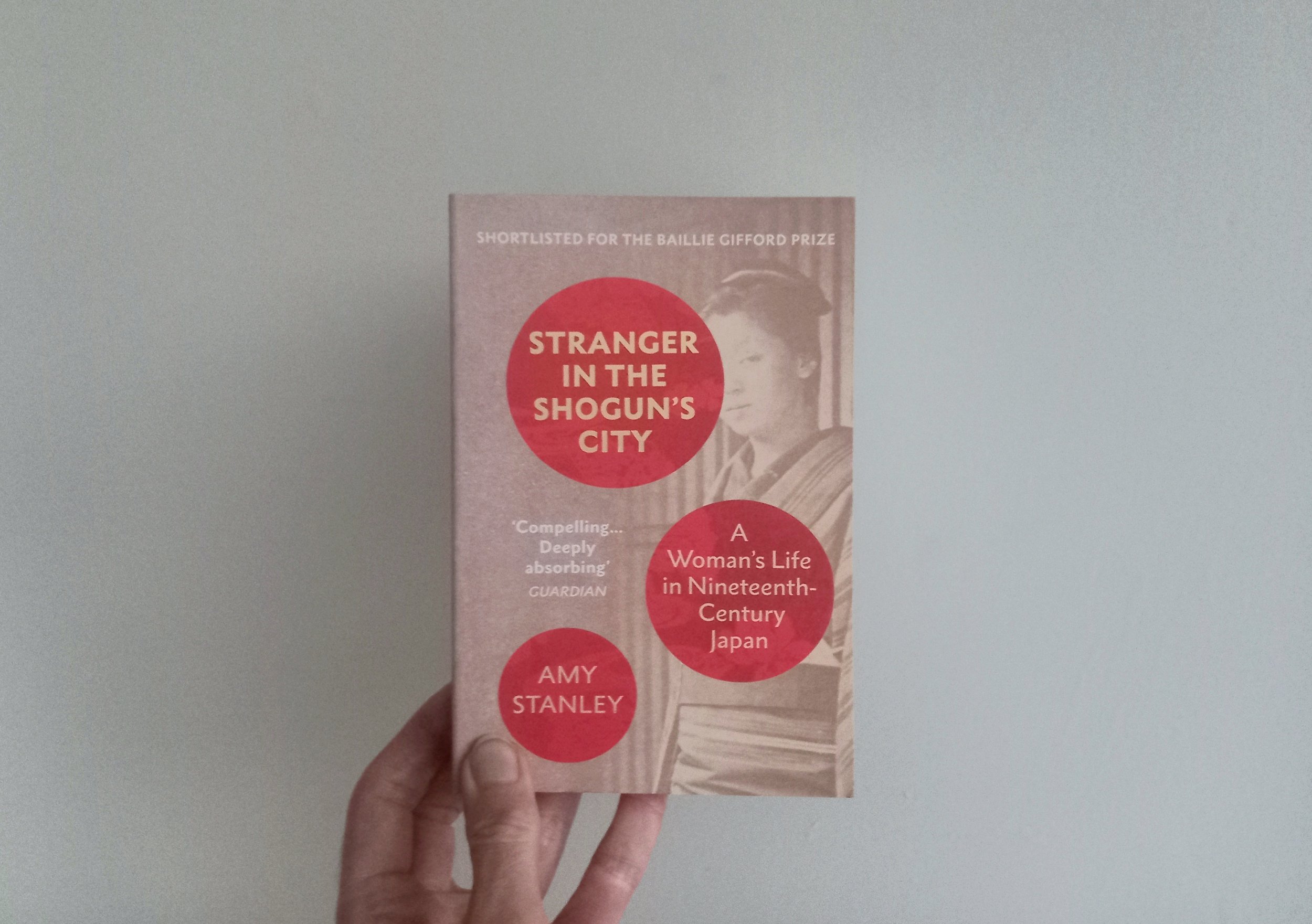
An appealing history of Japan in the nineteenth history, Stranger in the Shogun’s City is a tale both personal and encompassing. Tsuneno is the daughter of a priest. Growing up in a small mountainous village, the temple is central to her life and expectations. Married at 12, life seems mapped out: she will be a diligent temple wife. Yet 15 years on and with no children in sight, she is sent home again with the divorce papers—not an uncommon occurrence in the nineteenth century, where women would be remarried—a failed relationship not necessitating disaster. Two more marriages down the road and the picture for Tsuneno isn’t quite as rosy, her family are losing patience with her and she has other ideas. Seeking independence, she goes against her family’s wishes and knowledge, pawns her belongings (mostly clothes), and makes her way to the city of Edo in the care of a family acquaintance—someone she thought she could trust. In a relatively short time, Tsuneno’s world is turned upside down. Not only has the trustworthy friend betrayed her, physically and emotionally, but he has also left her in financial peril and abandoned her in the city. Living in a tiny room, at the mercy of her landlord, without money or warm clothes, bedding or utensils, she is desperate to find work. Her dreams of a good position in a Shogun household are remote, but she does get a job working long hours as a housemaid. It isn’t ideal, but it enables her to stay in Edo, a lively city with prospects. Tsuneno rises and falls alongside the city. This is the story of a woman and the story of a city, Edo, at the end of a golden age, known as the Great Peace, a time just prior to the arrival of the American gunship and Commodore Perry. As we read we fall into step beside Tsuneno, seeing the informal structures of the city — the migrant workers and peddlers — that underpins the economic structure of the more formal organisations, the geisha and the theatre performers that brighten the evenings, the temple priests, the samurai of all classes (one of whom will impact this woman’s life more than she expected) and the hierarchies of the ruling shogunate classes. Pieced together from letters (between Tsueno and her family), family records kept at the temples, combined with historical events (famine, fire, political machinations) and research, Amy Stanley creates a gripping account of a woman who chose between family and freedom, who made the most of the hand she was dealt. Rich in detail with its vivid descriptions of the environs (urban and rural), and lively portraits of Tsuneno, her family and the people of Edo, Stranger in a Shogun’s City is a compelling history of an ordinary woman in a fascinating time and place.
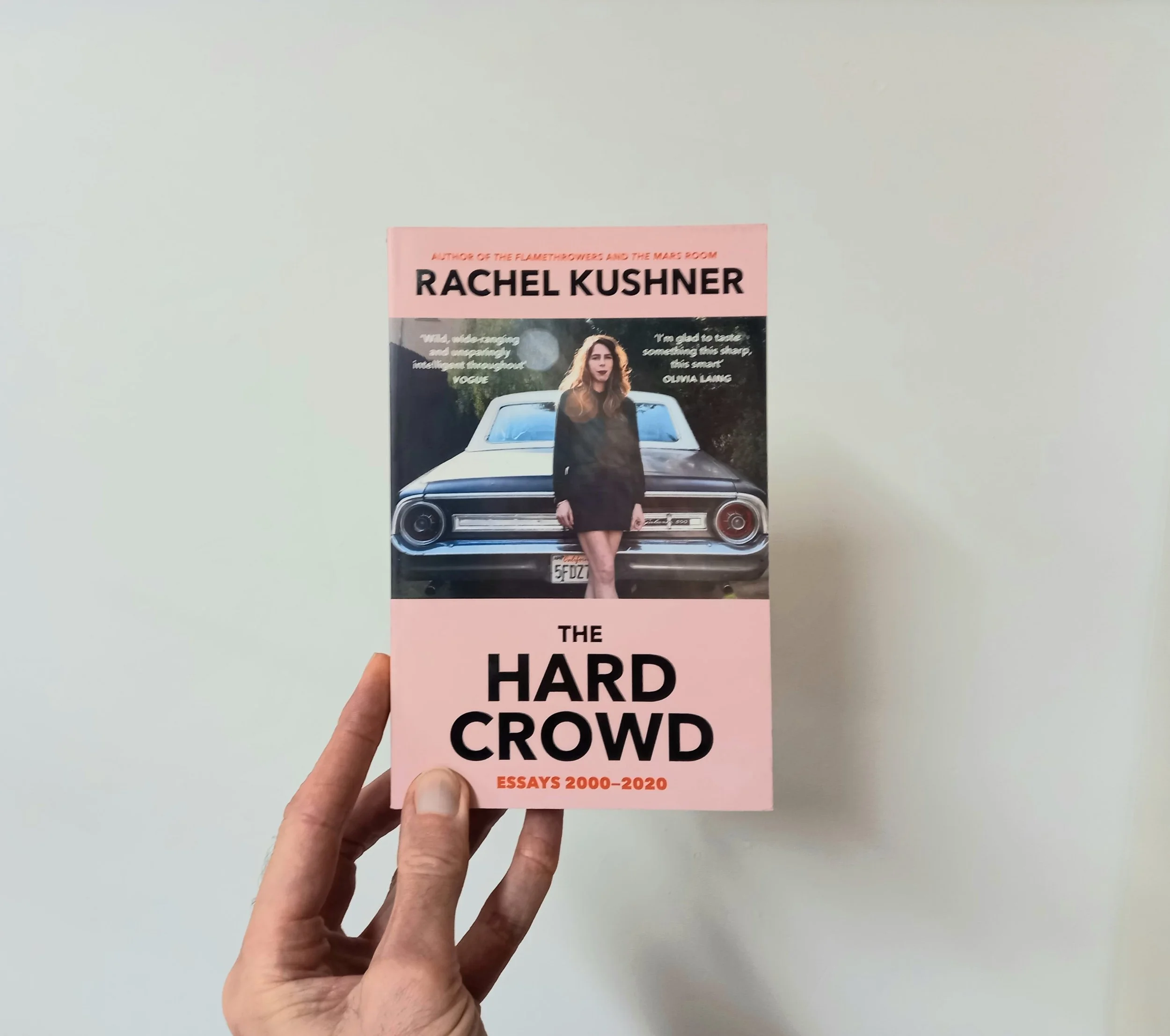
Rachel Kushner’s essays in The Hard Crowd read both like edgy youthful memories giving us a window into a life lived on the edge of danger, as well as intelligent analyses of political structures and cultural output. From the daring of her motorcycle racing days and obsessions with classic cars (it’s not surprising the opening scene in The Flamethrowers kicks such adrenaline on the page), in the opening essay 'Girl on a Motorcycle' to her conversations about literary intrigues Marguerite Duras, Clarice Lispector and Denis Johnson to mention a few, to her knowledge of Italian 1970s politics and prison reform which play a major role respectively, in The Flamethrowers and The Mars Room, to her connections and interest in the New York art scene, the collected essays are varied in style. Some are self-effacing and gritty, in line with the popular 'personal essay' trend, yet Kushner’s memories remain dark, honest and absorbing without the cloyingness of the self-reflective and sometimes self-satisfied elements of this form. In her essays about writers, she is endlessly fascinating, almost finding her way through the writing — through description, analysis and the anecdotal to an understanding or a reflective essence of the writer and their work — giving us, the reader, an insight that makes us wish to seek out not more about the said author, but their output — to delve for ourselves into their words. There’s also a great essay with accompanying images (film stills, photographs and other ephemera), 'Made to Burn', which considers the influences and research for her novel The Flamethrowers. It’s filled with quirky snippets of information, as many of the essays are, which cast small surprises like flitting shadows and light bulb moments — observations that rub up against each other creating a texture that marries guns and art, writers and alcohol, and the adrenaline of competitive danger with fierce loyalty. And in pure juxtaposition to this hard-arse style are essays that will stop you in your tracks: a heartbreaking visit to a Palestinian refugee camp that is so established that it is functionally a dysfunctional town, and a conversation with an American prison abolitionist that raises some hard questions about incarceration. In The Hard Crowd, Kushner describes herself as the soft one, but these punchy essays make me think there are different kinds of softness, and Kushner's is one that has a core of steel, unafraid to look with intent.

If you can resist this book, you are an expert in avoiding something thrilling. Giselle Clarkson’s excellent book about all things birds is sure to engage young minds and old. Filled to the brim with intriguing information, it’s perfectly pitched with its bite-size chunks of text, excellent diagrams and illustrations, and humorous asides. Clarkson encourages us to be avian investigators: equipped with our toolkit of omnibird knowledge and our best tool — observation. Being a bird puzzle-solver has never been more lively. From poop to feathers, to all the parts of the wing, to the different styles of wings, and tails, and heads, and beaks, you’ll be spotting birds high above you, deciphering and coming up with —It’s a gull! A blackbird or possibly a thrush! A starling! There are 18 investigator notes featuring a range of birds, including ducks, gulls, corvids, chickens, flightless birds, birds of prey, and the humble sparrow. There are beautiful eggs (spot the odd one out!), a plumology lesson, an array of different nests from the carefully woven thrush work to the scattershot style of the sparrow, and an explainer on bird names — you’ll know your gymnorhina tibicen from your griseotyrannus aurantioatrocristatus in no time! And so much more. Clarkson’s wonderful illustrations draw you in (there’s great bird attitude here), and the text is lively — so many facts, but also humour and speculation. While there are answers to bird questions you didn’t know you had, there are also questions to ask. What does it feel like to fly? What are they saying? What bird would you be? There’s a charge to use your imagination and your detective skills (observational senses). It's a book about birds and it’s a book about noticing the natural world around us — its awesomeness. Omnibird is a gem — a book that informs, inspires and delights.


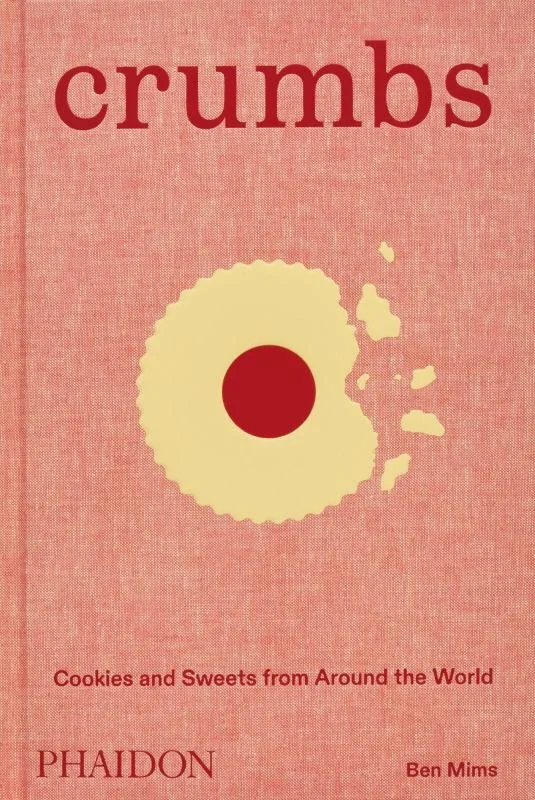
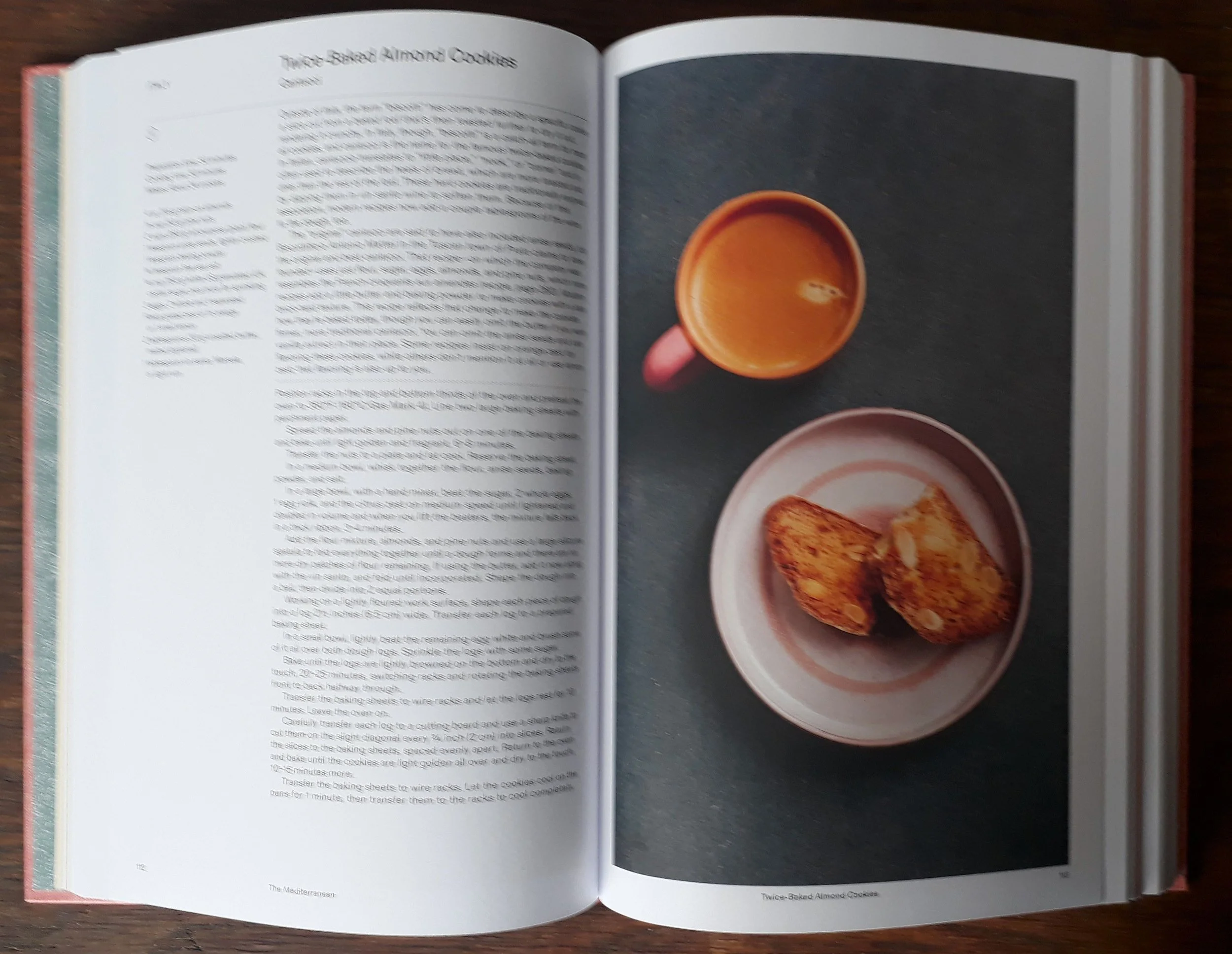
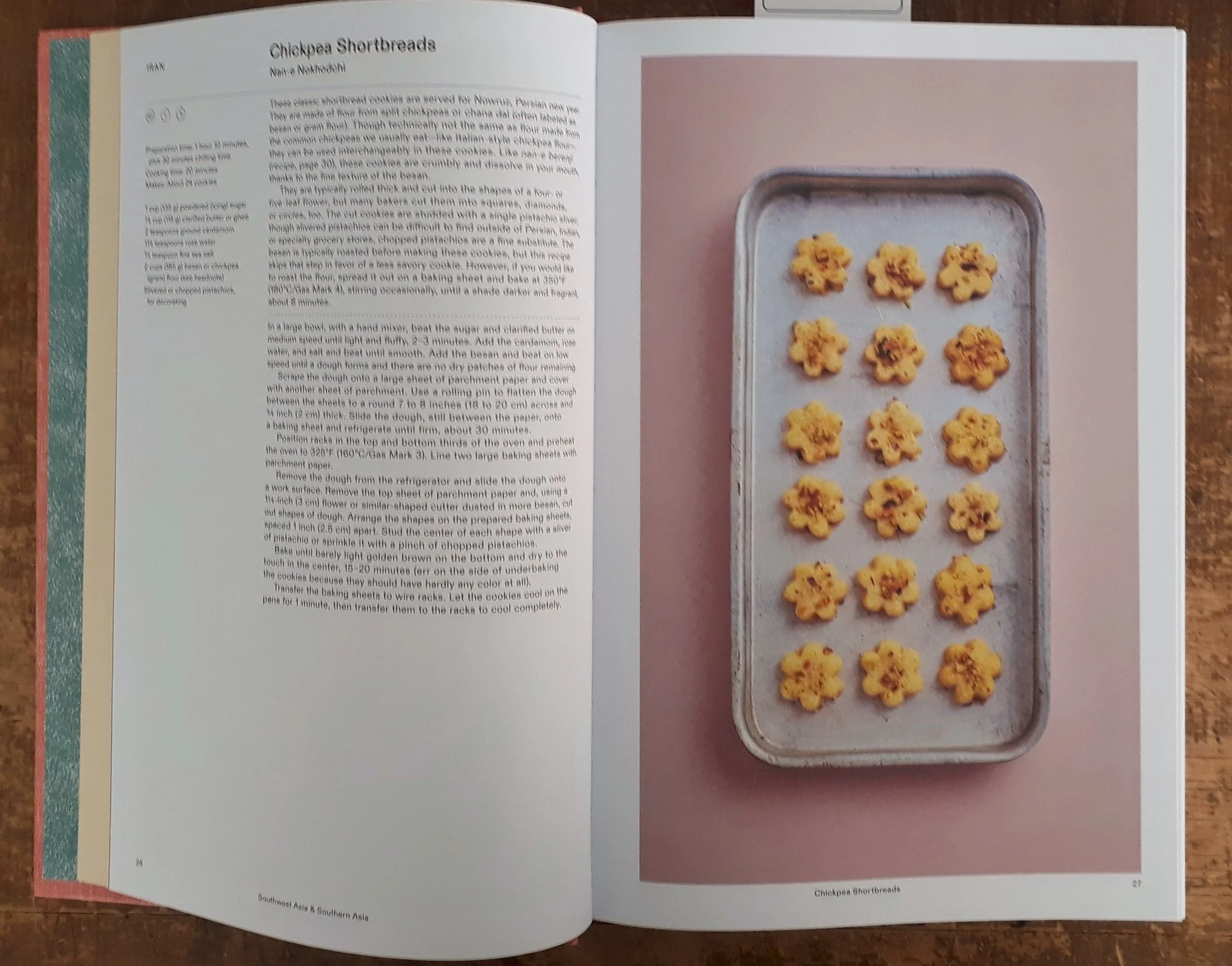
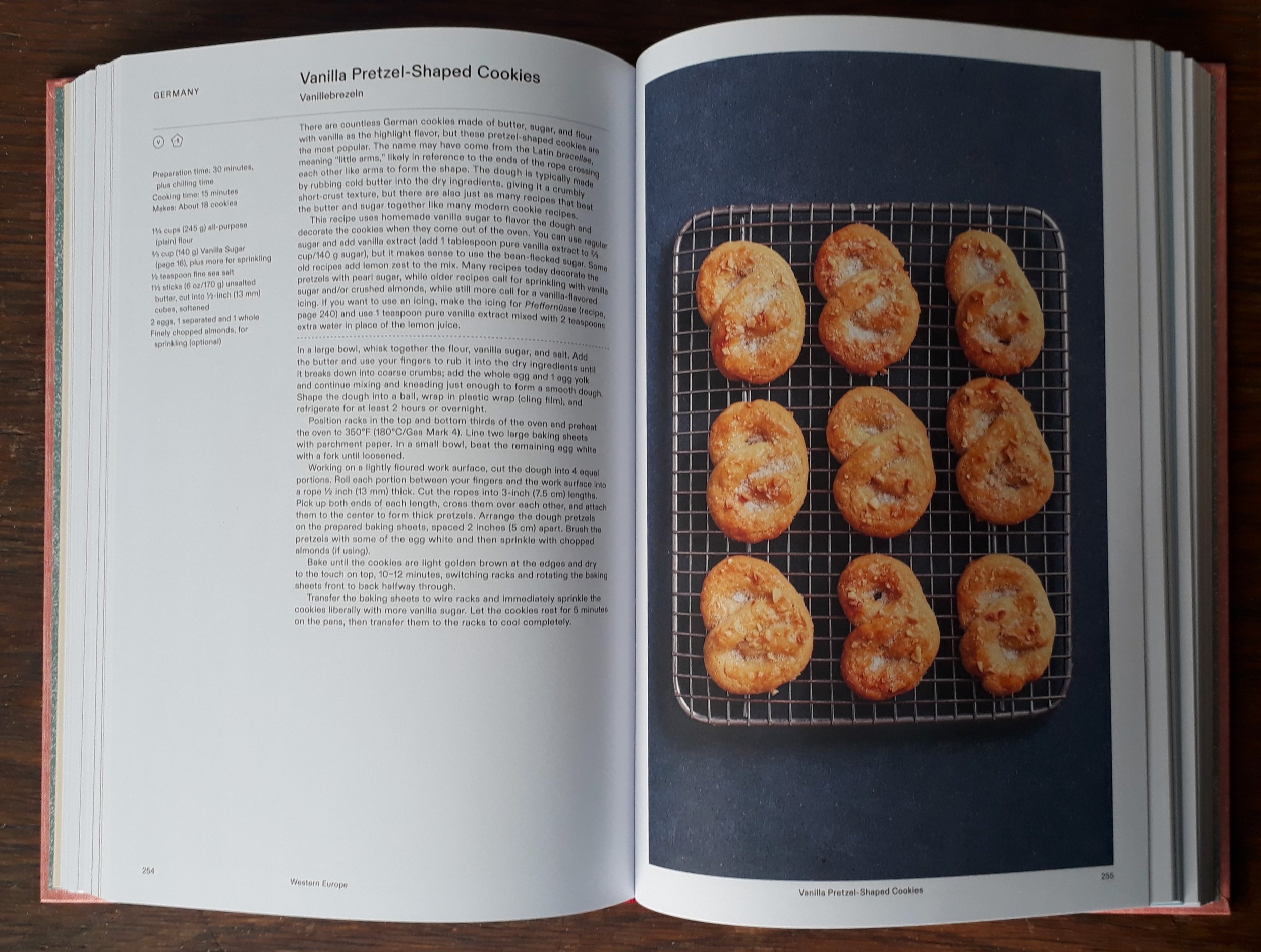
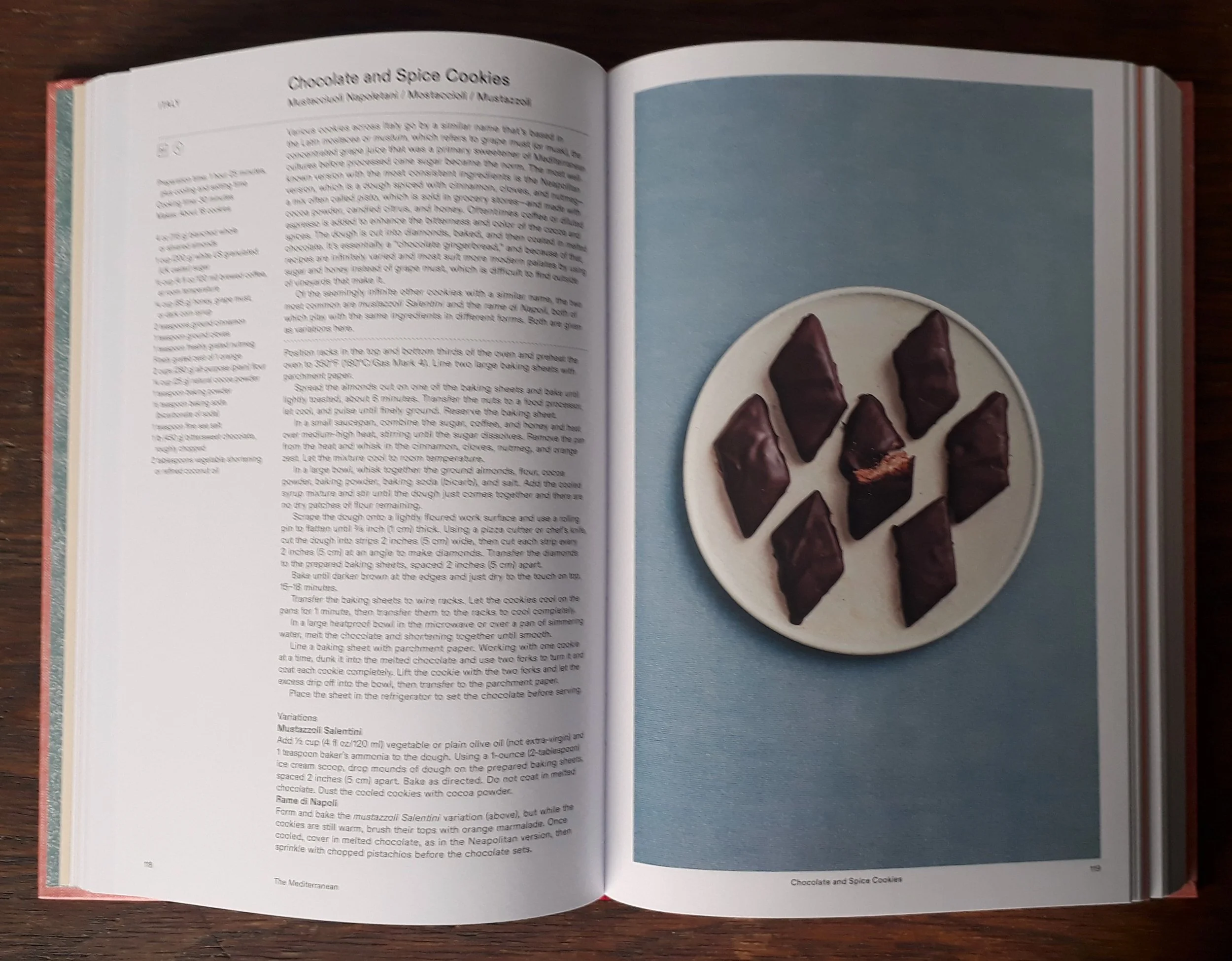
If you’re ready to discover new biscuit recipes and fill your tins, then Crumbs: Cookies and Sweets from Around the World will extend your knowledge and please your taste buds. Filling our tin right now are a batch of Maltese Christening Cookies/Biskuttini tar-Rahal. Both delicate and robust these aniseed and caraway seed mouthfuls are perfect with coffee in the evening and the light lemon icing makes them a refreshing choice for morning or afternoon tea. Organised geographically, this book is packed with 300 authentic recipes from 100 countries, from Azerbaijan to Laos to Wales. There are Scandanavian and Middle Eastern treats, Belgian biscuits and shortbread goodness. The introduction sets out what is a cookie, all the tools for making good biscuits, and tips and hints that will take your baking to the next cookie level. While there are American cup measurements, there are also metric weights and following these makes for the best biscuit dough (useful when using our slightly heavier flour). The food photography is reassuring. This is home cooking. The recipes are easy to follow, and while there are some recipes that might require a special ingredient, most are pantry staples. I’m ready to explore Stuffed Maghrebu Loaf Cookies from Tunisia and the ‘Snow White’ Crescent Cookies from Indonesia, as well as perfect sesame rings from the Levant which are packed with fennel or anise seeds. So whether you enjoy cinnamon spiced biscuits, crisp biscotti or chocolate-dipped morsels, there’s a world of choices and plenty of tins to fill or gifts to share. Crumbs unites the world with its similarities across borders and highlights the specific ingredients and particular methods that give each biscuit a home.